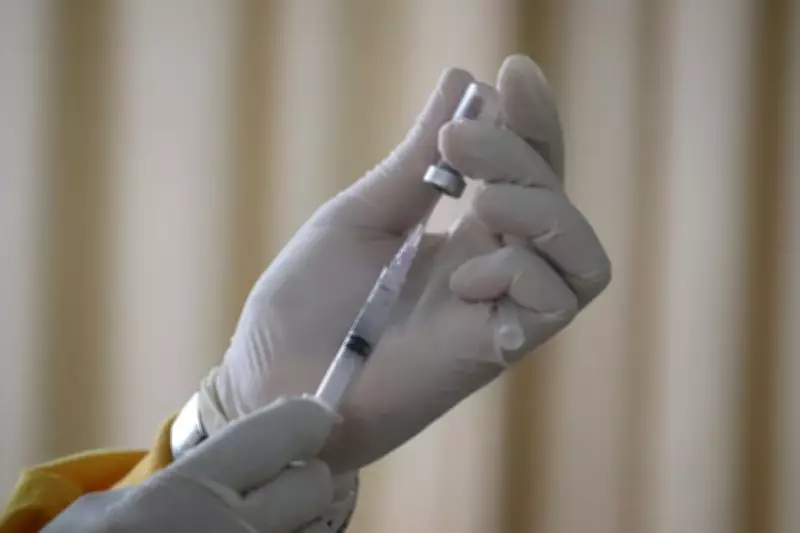
Every Canadian child deserves equal protection against hepatitis B, a virus that can lead to incurable chronic infection and liver cancer. Yet, access to the infant hepatitis B vaccine currently depends on the province or territory where a child is born, creating a lottery that determines their risk of developing liver cancer later in life.
The Current Patchwork of Vaccination Programs
Only three jurisdictions in Canada—Nunavut, the Northwest Territories, and New Brunswick—offer universal birth dose vaccination, considered the gold standard. Yukon, Alberta, British Columbia, Quebec, and Prince Edward Island begin vaccination at two months of age. In the rest of the country, the first routine hepatitis B vaccine is not offered until adolescence.
This inconsistency leaves many Canadian infants unprotected during the most vulnerable period of their lives. When hepatitis B is acquired in childhood, outcomes are starkly different from adult infections. About 90 percent of infants who acquire the virus develop incurable chronic hepatitis B, compared to a small fraction of adults. Children infected between ages one and five have a 20 to 30 percent chance of developing chronic infection.

The Importance of Birth Dose Vaccination
Hepatitis B can be spread through close household contact, such as sharing a toothbrush or nail clippers, or through contact with small amounts of blood. Even with good hygiene practices, these risks cannot always be avoided. The most effective intervention is a birth dose given shortly after birth.
Evidence from Nunavut shows that a universal birth dose program reduced hepatitis B exposure from nearly 20 percent among those born before 1980 to under two percent among those born after 1980. British Columbia's infant vaccination program led to sharp declines in new infections, outperforming provinces relying solely on adolescent vaccination.
Health and Economic Benefits
Canadian analysis indicates that infant or birth dose vaccination not only reduces new cases but also lowers long-term health care costs by preventing liver cancer and liver-related deaths. The hepatitis B vaccine, first introduced in the 1980s, was the world's first anti-cancer vaccine. It helps prevent a virus that is the leading cause of liver cancer worldwide.
By the time I reached high school, all Canadian provinces and territories had implemented hepatitis B vaccination programs for students. These programs reduced new cases among adolescents by 90 percent between 1990 and 2008. However, the timing of vaccination remains crucial. Protecting infants from birth would prevent countless cases of chronic hepatitis B and liver cancer.
Every province and territory should implement universal infant hepatitis B vaccination. It is time to end the lottery and ensure that all Canadian children have equal protection against this preventable disease.