A Winnipeg senior is speaking out after enduring an excruciating 11-hour wait for an ambulance to arrive at his home, an ordeal he says underscores a broken system in desperate need of repair.
A Painful Night of Waiting
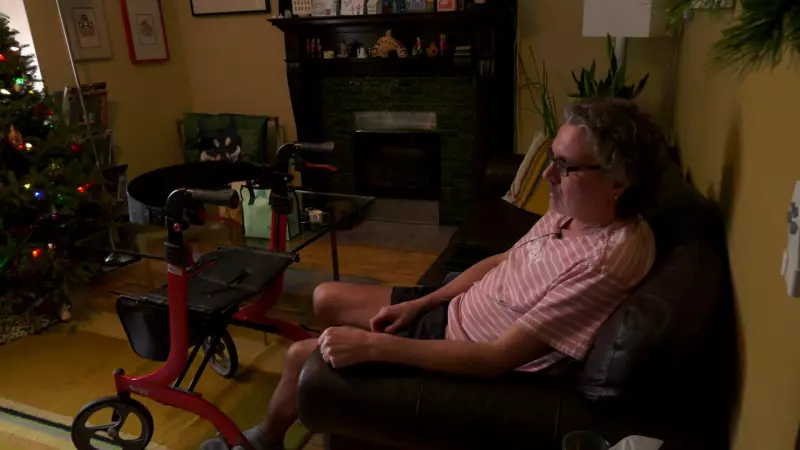
Ken MacKinnon, a Winnipeg resident, found himself in severe pain and in need of urgent medical transport on January 6, 2026. Despite calls for help, the ambulance he desperately required did not arrive until nearly half a day later. MacKinnon spent those agonizing hours on his couch, with his walker positioned in front of him, hoping for relief that was critically delayed.
"This has to be fixed somehow," MacKinnon stated emphatically, reflecting on the traumatic experience. His case is not an isolated incident but a symptom of broader, systemic pressures facing emergency medical services across the province. The extended wait time points to severe resource strain, potentially involving paramedic shortages, hospital off-load delays, or overwhelming call volumes.

The Broader Context of EMS Strain
MacKinnon's lengthy wait occurred amidst a national news landscape filled with stories of healthcare challenges, from hospital wait times to debates over medical funding. While the specific reasons for the delay in his case were not detailed in the initial report, such extreme waits are often linked to a cascade of issues within the emergency response chain.
Experts frequently cite factors such as a lack of available ambulances due to crews being stuck at emergency departments waiting to transfer patients, a phenomenon known as "off-load delay." Additionally, increasing call volumes for both life-threatening and non-urgent situations can stretch thin resources to a breaking point, leaving vulnerable patients like seniors in precarious situations.
A Call for Action and Accountability
The primary takeaway from Ken MacKinnon's experience is a powerful demand for change. His words serve as a direct challenge to healthcare administrators and provincial officials. When citizens in medical distress must wait for hours, it signals a failure in the fundamental promise of emergency care.
This incident raises urgent questions about the state of Manitoba's emergency medical services and what concrete steps are being taken to prevent similar failures. It calls for public accountability, potential investment in paramedic services, and systemic reforms to ensure that response times meet critical safety standards. For MacKinnon and countless others, a fix cannot come soon enough.