EDMONTON — A stark letter to the editor published on Tuesday, January 13, 2026, has cast a harsh spotlight on the Alberta government's perceived inaction in the face of a deepening hospital crisis, following alarming reports from frontline doctors.
Frontline Despair Meets Government Platitudes
The letter, authored by Edmonton resident William Jackson, is a direct response to a January 10 report where physicians publicly sounded the alarm over the dire state of the city's emergency rooms. Jackson expresses profound frustration with the official statement from the Ministry of Hospital and Surgical Health Services, which he characterizes as effectively offering nothing more than "thoughts and prayers" to medical staff.
The core of the criticism lies in the absence of a tangible plan. "No statement of intended action? No words from the minister? No plans to prevent further deaths of people lying moaning on the floors of our emergency rooms?" Jackson writes. He pointedly questions whether officials even understand the meaning of the word "emergency," given the lack of urgent response to the pleas of healthcare workers witnessing the crisis firsthand.

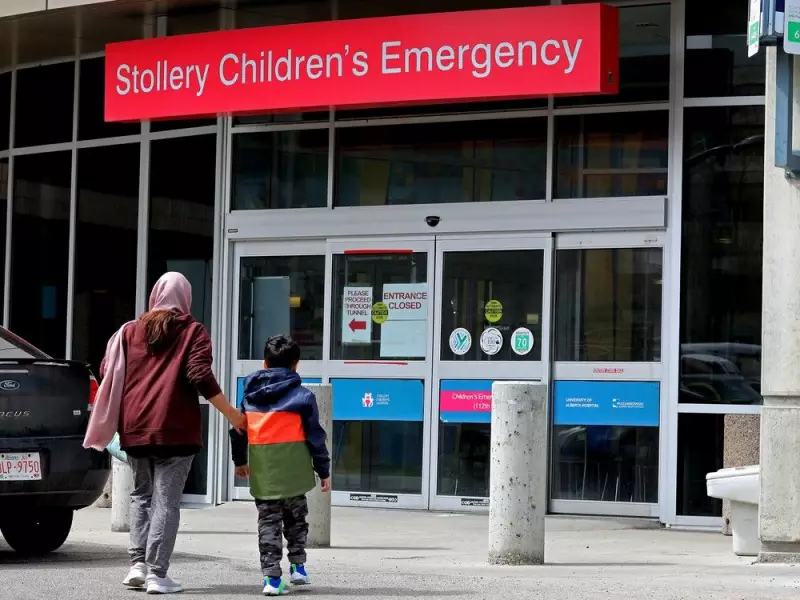
The letter references the ongoing struggles at facilities like the Stollery Children's Hospital, highlighting a systemic issue demanding immediate government intervention. Jackson's closing plea is simple yet powerful: "This has got to stop. Why are the pleas of the frontline health-care workers being ignored?"
Winter Woes: A Calgarian's View on Edmonton Parking Lots
The publication also featured a second letter shifting focus to a municipal concern. Philis Heffner, a visitor from Calgary, contrasted Edmonton's well-cleared roads with what she observed as a complete failure to clear private parking lots during her winter visit.
Heffner noted that not a single lot, not even at West Edmonton Mall, had been properly plowed during a period of above-freezing temperatures. She raised significant safety concerns, warning that refrozen snow creates dangerously slippery conditions leading to falls and injuries, while also creating indoor messes. "I don’t know how there can be an expectation that everyone shovel their driveway and not have the same expectation regarding stores and shopping centres to clear their parking lots," she stated, praising Calgary's standards in comparison.
Density Dreams Clash with Prairie Realities
A third letter, from an Edmonton resident, injected a note of caution into the city's push for increased density and a "15-minute city" model. The writer argues that the vision, while noble, ignores the practical realities of a city with five months of winter and ongoing challenges with snow management.
The letter details how windrows and granular "brown-sugar" snow make walking impractical, bicycle use in winter is minimal, and new high-density housing is creating severe parking shortages, especially during parking bans. An even graver, unspoken concern is raised about overloading existing water and sewer infrastructure.
The writer predicts that octoplexes replacing single homes will place an eightfold strain on systems, a problem likely to be addressed "10 years too late." They call for a public report from the drainage department to assess the coming burden, but express little hope that such transparency is forthcoming.
Together, these letters paint a picture of a city grappling with critical pressures on its public health infrastructure, everyday winter livability, and the long-term planning required for its ambitious urban future.