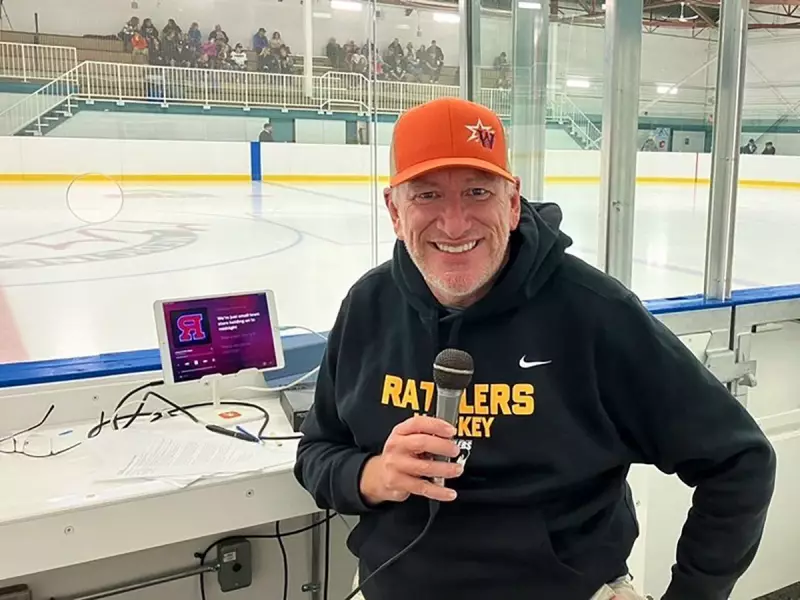
A former radio host from Medicine Hat, Alberta, says he lived in fear of dying before finally receiving a date for a critical assessment of a lesion discovered in his brain, after months of being turned away from emergency rooms and pleading with politicians.
A Long and Painful Wait for Care
Kim Johnston, 54, was diagnosed with a brain lesion in October 2025. It took until this week, a staggering 123 days later, for him to be notified that his neurological assessment process would begin on January 22, 2026. This delay stands in stark contrast to medical guidelines he cited, which state such lesions require assessment within 10 days.
"Cummings School of Medicine at U of Calgary says brain lesions require assessment within 10 days … I’m officially in day 90," Johnston posted on social media on December 28, 2025, while still awaiting news.

Rapidly Deteriorating Health
During the agonizing four-month wait, Johnston's health declined dramatically. His symptoms progressed to include severe speech impairment, jaw instability, and facial tremors. He became dependent on a liquid diet because chewing became nearly impossible and developed a progressive left-sided facial atrophy.
"My life has changed dramatically," Johnston said. "In two years, but specifically in six months. I had my dream job of a syndicated radio show (heard across Western Canada) just seemingly taken away overnight." He was forced to quit his job as a radio host by late October.
Falling Through the Cracks
Johnston described his experience as a "complete lack of clinical determination" and believes he has "fallen through the cracks" of the healthcare system. His communication has been partly through email because his speech is now severely affected, and speaking for more than a couple of minutes is painful.
He expressed fear that he could suffer a fate similar to that of Prashanth Sreekumar, who died from a cardiac arrest after waiting hours in an Edmonton emergency department on December 22. Johnston said he was repeatedly turned away from ERs himself while seeking urgent help.
After months of advocacy and media attention, the arrival of an assessment date brought mixed emotions. Johnston said it made him feel "hopeful" but also brought a "sense of relief, sense of fear, sense of disbelief." On a recent phone call, he described having an "OK day" with minimal symptoms, though his speech remained halted. He emphasized that his other motor skills, cognition, and ability to drive remain intact.