Alberta's Triage Liaison Physician Role Stalled Amid Doctor-Province Standoff
The implementation of Alberta's triage liaison physician role has encountered significant delays, with frontline doctors and provincial officials locked in a growing dispute over the program's structure and compensation. More than a month after the province pledged to reinstate these critical positions across six major emergency departments, the rollout remains stalled, highlighting tensions between healthcare providers and government decision-makers.
Communication Breakdown Frustrates Physicians
Dr. Warren Thirsk, head of emergency medicine for the Alberta Medical Association (AMA), expressed deep frustration with the government's approach. "It's frustrating from the physician side to have people who don't do your job tell you how you're going to do your job," Thirsk stated. He revealed that he has not spoken directly with any decision-makers about concerns regarding the ministerial order establishing the role.
The emergency medicine leader characterized the government's order as "more than 20 years out of date" and criticized the administration for bypassing the association representing doctors. "I don't think they're understanding what they're asking us to do, and they don't want to talk. That's the biggest frustration — there is no discussion," Thirsk emphasized.

Government Defends Implementation Efforts
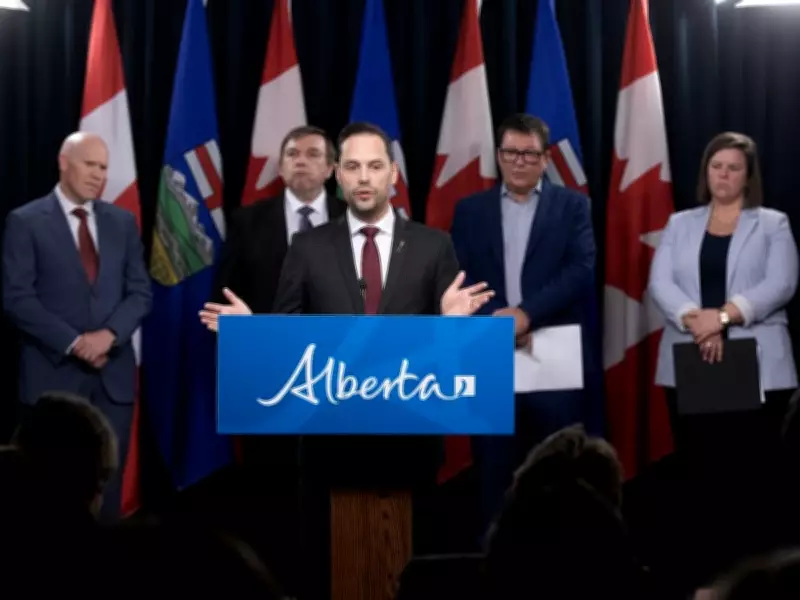
Hospitals and Surgical Health Services Minister Matt Jones countered that the province has indeed implemented the triage liaison physician roles. He acknowledged that the AMA has requested additional compensation and changes to the pay structure but expressed optimism about finding a resolution. "I'm optimistic that we will find a solution with the AMA because I've met with emergency department physicians that would like to perform the role," Jones stated.
The minister noted that the government has earmarked $20 million over two years to fund these positions. However, he indicated that if an agreement cannot be reached with physicians, the province would consider alternative staffing solutions. "If an agreement isn't reached, the government would look to have nurse practitioners or physician assistants fill the positions," Jones explained.
Specific Concerns and Proposed Amendments
In a detailed letter to Minister Jones, Dr. Thirsk outlined seven specific amendments to address physician concerns:
- Increased physician compensation to match inflation rates
- Recognition of the role as overtime since it represents additional shifts
- Removal of the one percent overhead fee charged to doctors for "shadow billing"
- Reduction of unnecessary administrative burdens
Thirsk emphasized that these changes could be explained quickly if decision-makers were willing to engage in dialogue. "I'm not afraid of being held accountable. I'm just not wanting to recreate something that is a dinosaur in a current contract and say that that's a good idea when I know there's a better way," he asserted.
Broader Context and Shared Goals
Despite the current impasse, both parties acknowledge alignment on the fundamental goal of addressing emergency department pressures. The province originally announced the triage liaison physician role in January as a measure to help ease strain on emergency services, with existing doctors initially filling these shifts before they transitioned to permanent positions.
Minister Jones emphasized his collaborative approach, stating, "Certainly not blaming the AMA. In fact, I met with the AMA, they recommended the position, and I implemented it." This statement highlights the complex relationship between healthcare providers and government officials as they navigate competing priorities within Alberta's healthcare system.
The standoff continues as emergency departments across Alberta face ongoing capacity challenges, with both sides seeking a resolution that addresses physician concerns while maintaining the province's commitment to improving emergency care access and efficiency.