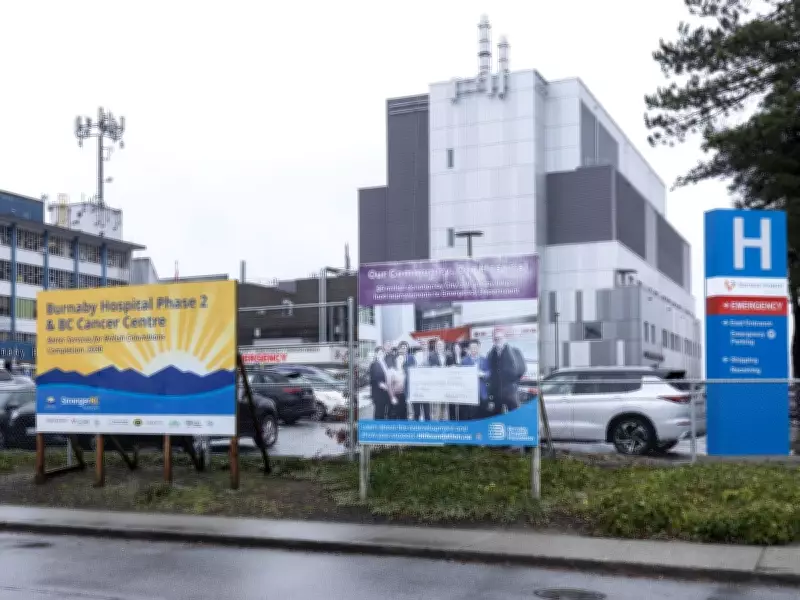
The B.C. government has cancelled several construction contracts for long-term care homes and the second phase of the Burnaby Hospital redevelopment, citing budget constraints amid a projected record deficit of $13.3 billion.
Contracts cancelled
Infrastructure Minister Bowinn Ma announced on Thursday that seven long-term care homes in Delta, Abbotsford, Chilliwack, Kelowna, Fort St. John, and Squamish, along with Phase 2 of the Burnaby Hospital redevelopment, were projected to cost significantly more than budgeted. As a result, contracts entered into by health authorities have been cancelled.
“There is more work for our government to do with health authorities to get costs down and under budget so that we can deliver them sustainably for communities,” said Ma. She emphasized that the projects remain part of the capital plan, with the goal of completing them in the future.

Reaction from Burnaby Mayor
Burnaby Mayor Mike Hurley expressed devastation and horror at the decision, stating that the community feels abandoned. “In 2018, the government said this was the most important health project in the province. Now they have turned their back on Burnaby residents and east Vancouver residents,” he said. Hurley noted that Phase 1 of the redevelopment only added 12 new beds, while Phase 2 was to include a 160-bed acute care tower, a B.C. Cancer treatment centre, and a new medical imaging department.
Foundation concerns
Kristy James, CEO of the Burnaby Hospital Foundation, revealed that donors had committed $55 million for both phases, with $25 million designated for Phase 2, which was budgeted at $1.8 billion. She has previously disputed Ma’s claims that the project had gone hundreds of millions over budget.
Fraser Health executives informed Burnaby Hospital staff via email that the contract with the Alliance construction group had been cancelled, and they are assessing the impact on the project and staff.
The cancellations have drawn protests from mayors, hospital foundations, and the provincial seniors advocate, who argue that needed health-care resources will not be built despite growing demand.