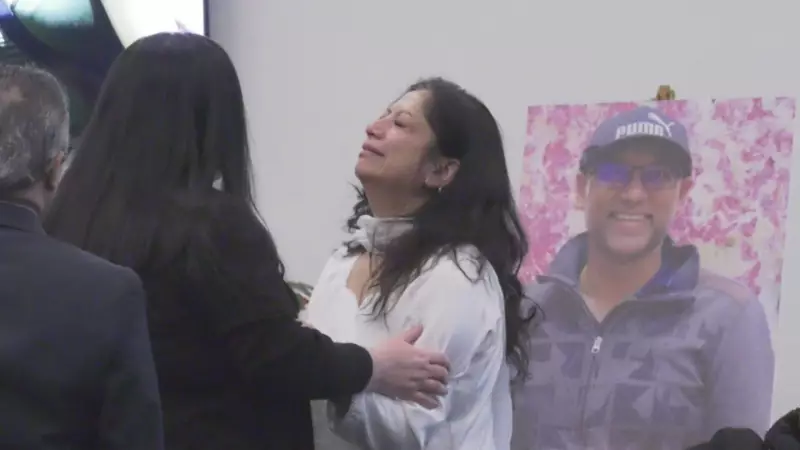
Family members, community leaders, and officials came together in Edmonton on the final day of 2025 to honour the life of a man whose death has cast a stark light on the province's strained healthcare system. Prashanth Sreekumar passed away while waiting for treatment in a local emergency room, a tragedy that has left his loved ones grieving and demanding answers.
A Life Lost in the Waiting Room
The somber funeral service was held on December 31, 2025, with Sreekumar's wife, Niharika Sreekumar, and other family members leading the mourning. The gathering, documented by CTV News Edmonton, was a poignant reminder of the human cost behind emergency room statistics. While specific details surrounding the timeline and cause of his death have not been fully disclosed, the central fact remains: he died awaiting emergency medical care that ultimately never came in time.
Mounting Pressure on Alberta's Emergency Care
This incident is not isolated but rather a symptom of intense systemic pressures. Emergency departments across Alberta, and particularly in major urban centres like Edmonton, have been grappling with severe overcrowding, staffing shortages, and extended wait times for years. Patients often face hours-long delays before being seen by a physician, a situation that can turn critical for those with time-sensitive conditions. The death of Prashanth Sreekumar transforms these operational challenges into a profound personal and public loss, prompting urgent questions about resource allocation and patient triage protocols.

Calls for Accountability and Systemic Change
The tragedy has ignited calls for transparency and reform from the public and healthcare advocates. While officials expressed condolences, the family's grief is compounded by the preventable nature of the loss. This event is likely to intensify ongoing debates about healthcare funding, capacity planning, and the need for alternative care pathways to alleviate the burden on emergency rooms. As Edmonton enters a new year, the memory of Prashanth Sreekumar serves as a powerful catalyst for demanding tangible improvements to a system currently failing its most vulnerable patients in their moment of greatest need.
The coming weeks may see increased political and administrative scrutiny of Alberta Health Services' emergency response capabilities. For now, a community mourns a life cut short, hoping his death will not be in vain but will instead lead to meaningful action to safeguard others.