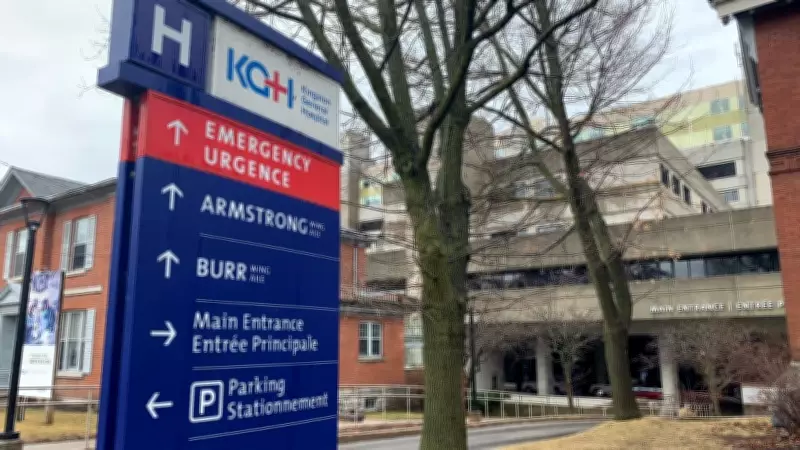
Kingston Hospitals Turn to Unconventional Spaces to Handle Record Patient Numbers
Hospitals in Kingston, Ontario are implementing innovative and unconventional spatial solutions to accommodate an unprecedented surge in patient admissions. This strategic adaptation comes as healthcare facilities across the region grapple with capacity challenges, forcing administrators to rethink traditional patient care environments.
Expanding Beyond Traditional Boundaries
With patient volumes reaching historic highs, Kingston General Hospital and other local medical centers have begun repurposing non-traditional areas to create additional treatment spaces. These measures include converting administrative offices, conference rooms, and even certain hallway sections into temporary patient care zones equipped with essential medical equipment and monitoring capabilities.
The move represents a significant departure from standard hospital operations, reflecting the sustained pressure on Ontario's healthcare infrastructure. Hospital administrators emphasize that while these spaces may lack the conventional layout of dedicated patient rooms, they maintain all necessary safety protocols and medical standards to ensure proper care delivery.

Addressing Systemic Healthcare Pressures
This spatial innovation responds to multiple converging factors straining hospital resources:
- Seasonal illness spikes combined with ongoing chronic care needs
- Increased emergency department visits
- Limited availability of long-term care placements for discharged patients
- Staffing challenges affecting patient flow management
"When traditional capacity is exceeded, we must explore every available option to ensure patients receive timely care," explained a hospital representative who requested anonymity due to the sensitive nature of operational decisions. "These unconventional spaces represent a temporary but necessary adaptation to extraordinary circumstances."
Patient Experience and Care Quality Considerations
While the primary focus remains on maintaining medical standards, hospital officials acknowledge that patient experience in these adapted spaces may differ from traditional hospital settings. Privacy screens, noise reduction measures, and modified lighting have been implemented to create more comfortable environments despite the unconventional locations.
Medical staff receive additional training to operate effectively in these modified spaces, with particular attention to infection control protocols, emergency response procedures, and patient monitoring systems that might function differently outside standard ward configurations.
Broader Implications for Healthcare Delivery
The Kingston situation mirrors challenges faced by hospitals across Ontario and Canada, prompting discussions about long-term solutions for healthcare capacity management. While unconventional space utilization provides immediate relief during peak demand periods, healthcare advocates argue it underscores the need for sustained investment in hospital infrastructure, staffing, and community-based care alternatives.
As patient volumes continue to test system limits, Kingston's approach may offer temporary insights for other jurisdictions facing similar capacity constraints, though all parties emphasize that such measures should remain exceptional rather than becoming standard practice in a properly resourced healthcare system.