Keremeos Man Files Lawsuit After Leg Amputation Following Multiple ER Misdiagnoses
A man from Keremeos, British Columbia, has initiated legal proceedings against the Interior Health authority after undergoing a leg amputation. The lawsuit alleges that his condition was repeatedly misdiagnosed during several emergency department visits over a period of months, leading to the severe outcome.
Allegations of Negligence in B.C. Supreme Court
The case, filed in the B.C. Supreme Court, targets the health authority and its staff, including two doctors and a nurse. It claims that if proper investigation had been conducted or specialists consulted, a blocked artery in the man's leg would have been detected earlier. The lawsuit asserts that "the limb could have been salvaged" with appropriate medical intervention.
Details of the Emergency Room Visits
Steven Barker, a heavy equipment operator, first visited the emergency room at South Similkameen Health Centre on April 2, 2024. He presented with symptoms including reduced function, skin blistering, redness, and black spots on multiple toes. The lawsuit describes how he struggled to bear weight on his right foot, hobbling on his heel and leaning on his four-year-old daughter for balance and support.

Dr. Ifeju Olugbenga Omojuwa diagnosed the condition as frostbite or gout. However, the legal filing argues that frostbite was "highly implausible for a housed person in Keremeos in April." It further states that the symptoms were inconsistent with gout and more indicative of poor circulation, yet no investigation into vascular causes was undertaken.
Critical oversights noted in the lawsuit include:
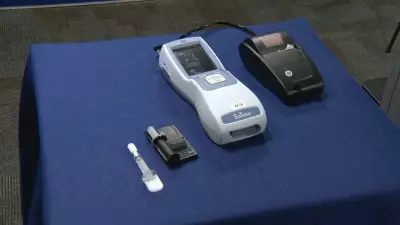
- Failure to use a hand-held device to measure arterial pulse, which could have detected absent or diminished blood flow.
- No consultation with specialists.
- No orders for lab work, medical imaging, or an electrocardiogram.
Barker was discharged with prescriptions for Tylenol 3 and gout medication. The lawsuit alleges that proper investigation would have revealed the risk of tissue death and amputation if left untreated.
Subsequent Visits and Worsening Condition
Barker returned to the same hospital on May 10, 2024, with worsening pain and visible deterioration of his right foot and leg, including signs of necrosis or gangrene. Dr. David Wallace Van de Vosse treated him, noting that a black dot on his big toe had become an open ulcer. Despite this, the lawsuit claims no investigation into vascular causes was conducted, and no blood flow measurements, lab tests, or specialist consultations were ordered.
He was prescribed antibiotics and advised to schedule an appointment with the wound-care clinic. On July 2, 2024, three months after his initial visit, Barker was seen again by Van de Vosse for symptoms including tingling, numbness, weakness, cramping, and pain from hip to foot. He was diagnosed with back pain and questioned about sciatica, according to the lawsuit.
Legal and Medical Implications
This case highlights significant concerns regarding emergency room protocols and diagnostic accuracy. The allegations suggest a pattern of missed opportunities to identify a serious vascular issue, ultimately resulting in amputation. The lawsuit seeks accountability for what it describes as negligence in medical care. As the legal process unfolds, it may prompt broader discussions about healthcare standards and patient safety in British Columbia, particularly in rural areas like Keremeos.