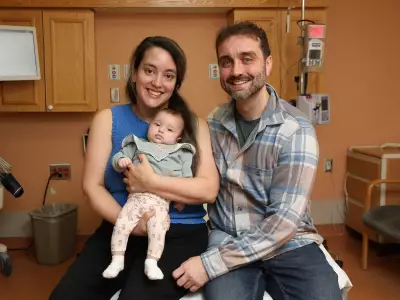
After enduring years of frustrating postponements, Michael Lavigne, a former Montreal firefighter left paralyzed, has finally received the cataract surgery he desperately needed. The long-awaited procedure, which took place in late December 2025, marks the end of a difficult chapter for Lavigne and his family, who had been advocating for timely medical care.
A Long and Frustrating Wait for Essential Care
The journey to this surgery was fraught with delays that stretched on for years. Michael Lavigne, whose life was dramatically altered after an incident left him paralyzed, required the cataract operation to preserve his remaining eyesight. Despite the clear medical necessity, his procedure was repeatedly pushed back within the Quebec healthcare system, causing significant distress and complicating his daily life.
Lavigne's story came to public attention through a report by CTV News journalist Swidda Rassy, published on December 29, 2025. The report highlighted the personal toll these delays took, not only on Lavigne but also on his supportive mother and sister, who have been his primary caregivers. The image of Lavigne at home with his family underscored the human impact of systemic healthcare bottlenecks.

The Impact of Delay on Quality of Life
For someone with limited mobility, vision is a critical connection to the world. Cataracts, which cloud the eye's lens, progressively diminish sight, making navigation, communication, and basic independence increasingly difficult. For Lavigne, each delay meant another period of deteriorating vision, adding an unnecessary layer of challenge to his already complex health situation.
The case raises broader questions about access to timely elective surgeries for individuals with disabilities and chronic health conditions within Canada's public health system. While emergency care is often prioritized, essential procedures that drastically improve quality of life can sometimes fall victim to long waitlists and administrative hurdles.
A Resolution and a Hope for Systemic Change
The successful completion of the surgery in late 2025 is a relief for Lavigne and his family. It represents a victory of persistent advocacy and a reminder of the importance of patient-centered care. While the immediate crisis has been resolved for one Montreal firefighter, his experience serves as a cautionary tale about the human cost of healthcare delays.
Advocates hope that highlighting stories like Michael Lavigne's will spur dialogue and action to improve scheduling, communication, and prioritization for patients whose surgeries, while not always classified as emergencies, are vital to their well-being and autonomy. The resolution of his long wait is a personal triumph, but it also spotlights an area in need of ongoing attention and reform within provincial healthcare management.