Paramedics in Calgary are preparing for a particularly challenging and demoralizing New Year's Eve shift, as a significant number of staff vacancies threaten to leave the city with fewer ambulances on one of the busiest nights of the year.
Fewer Ambulances for a Spike in Calls
While December 31st traditionally sees a surge in 911 calls related to celebrations, this year the emergency response will be hampered by a shortfall of available units. Internal data reveals a troubling picture for the Calgary zone.
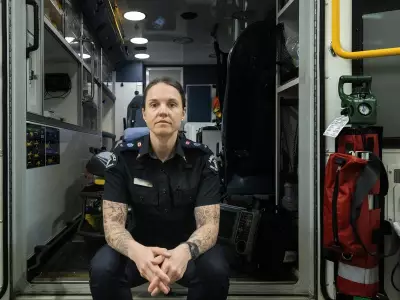
Screenshots from an Acute Care Alberta employee portal, shared with Postmedia by an anonymous local paramedic, showed 20 vacant paramedic shifts for New Year's Eve. Given that two paramedics staff each ambulance, this vacancy rate could translate to 10 fewer EMS units on Calgary streets. These numbers are fluid but highlight a critical staffing issue.

"You have your normal call volume but the added pressure of New Year's partying and things like that which compound on top of the issue," the paramedic stated, describing the anticipated pressure.
Compounding Crisis: Hospital Offload Delays
The staffing shortage is only one part of a larger systemic crisis straining emergency medical services. Paramedics are also grappling with extensive delays at hospitals, known as offload waits, which leave ambulances and their crews stuck emergency departments instead of being available to respond to new calls.
"For the month now, we're just getting destroyed by the hallway waits," the paramedic explained. "So you have all this increased demand, all this increased volume, and then we'll watch ambulances stack up one by one at the hospitals, not moving until someone demands an emergent offload."
This operational griddle was formally acknowledged in a staff memo from Alberta EMS provincial operations executive director Anne MacDonald on December 10. The memo, obtained by Postmedia, confirmed a "sharp increase" in offload times and "growing system-wide flow challenges."
The memo emphasized that reducing these delays is "critical to patient safety" and a top priority, stating, "We recognize how frustrating this can be when you're working to provide the best care for your patients. Please know that we see it, we understand it and we are committed to supporting you every step of the way."
A Demoralizing Reality for Frontline Workers
The combination of holiday-related call spikes, pre-existing staff shortages, and chronic hospital backlogs creates a perfect storm for emergency responders. The situation is described as deeply demoralizing for the paramedics who must navigate it.
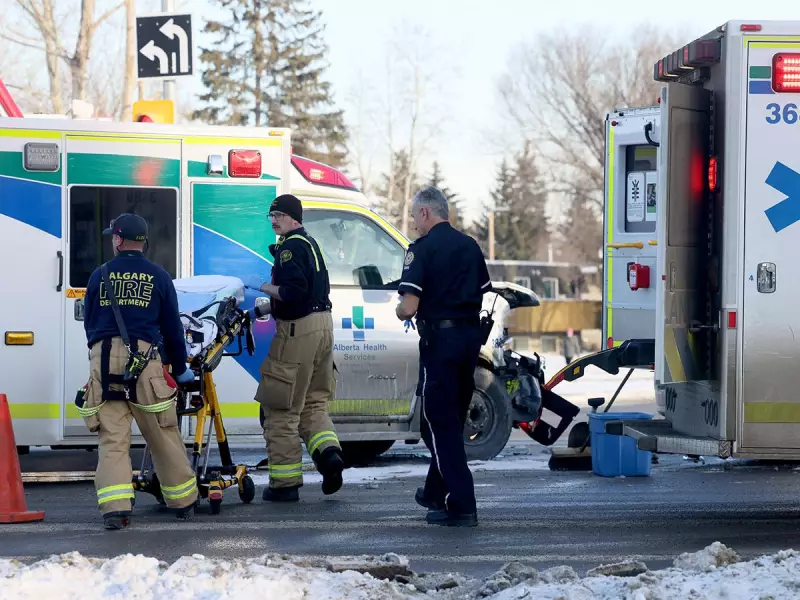
The strain on the system is further illustrated by a recent incident on Tuesday, December 23, 2025, where a Calgary EMS ambulance was involved in a collision with a van while transporting a patient to hospital. While another unit was dispatched to complete the patient transfer, such incidents underscore the constant operational pressures faced by the service.
As Calgarians ring in the New Year, the paramedics tasked with keeping them safe will be operating under heightened strain, managing increased demand with diminished resources and hoping for a reprieve from the offload delays that paralyze their fleet.