Saskatoon Hospital Records Significant Weapons Confiscation Prior to Security Upgrade
In a revealing development for healthcare security in Saskatchewan, officials at Saskatoon's St. Paul's Hospital have disclosed the collection of a substantial number of weapons and other prohibited items. This action occurred directly before the implementation of new metal detection systems at the facility's entrances.
Preventive Measures Unveil Alarming Trend
The gathered items, which included various weapons and contraband, were secured by hospital staff and security personnel. This proactive confiscation initiative was undertaken as a preparatory step for the installation of advanced metal screening technology. The move underscores a growing national concern regarding violence and security within medical institutions, where staff and patient safety has become a paramount issue.
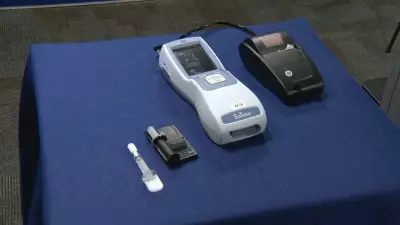
The visual evidence, provided courtesy of the Saskatchewan NDP, offers a stark illustration of the scale and nature of items being brought into the hospital. This collection period served as a critical assessment phase, allowing security teams to understand the types of threats present before the permanent detectors became operational.

Broader Context of Hospital Safety
This incident in Saskatoon is not isolated. Hospitals across Canada are increasingly evaluating and upgrading their security protocols in response to rising incidents of violence against healthcare workers. The installation of metal detectors represents a significant, though controversial, step in creating safer environments for medical staff, patients, and visitors alike.
The decision to implement such measures often follows risk assessments and reported incidents, pointing to a necessary evolution in how public institutions manage safety. For St. Paul's Hospital, this process has brought to light the tangible risks that existed within its walls, prompting a decisive technological intervention.
Healthcare unions and safety advocates have long called for enhanced protections, arguing that hospitals should be sanctuaries for healing, not venues for conflict. The Saskatoon case provides concrete data supporting these calls for action, demonstrating that the threat of weapons is a real and present danger.
Looking Forward: Security and Accessibility
While the primary goal is undeniably safety, hospital administrators must also balance security with maintaining an open, welcoming, and accessible environment for all community members seeking care. The transition to screened entrances requires careful planning, public communication, and staff training to ensure the process is as smooth and non-intrusive as possible.
The experience at St. Paul's Hospital will likely be studied by other institutions considering similar upgrades. It highlights a modern challenge for Canadian healthcare: protecting the well-being of everyone inside a hospital while upholding its fundamental role as a place of refuge and treatment.