Public health officials in Alberta are sounding the alarm as the number of confirmed measles cases in the province has begun to climb once more, reversing a trend of decline observed over recent weeks. The resurgence highlights the persistent threat of the highly contagious virus, particularly in communities with lower vaccination rates.
A Reversal in Public Health Progress
The recent increase in infections marks a significant setback. After health authorities reported a steady decrease in new measles diagnoses for several weeks, the latest data shows a clear uptick. This pattern underscores the virus's capacity for rapid spread, especially among unvaccinated or under-vaccinated individuals. Measles is one of the most contagious diseases known; a single infected person can transmit the virus to up to 90% of the unvaccinated people close to them.
The situation demands immediate public attention and action, as measles can lead to severe complications, including pneumonia, encephalitis (brain swelling), and hospitalization. Young children are particularly vulnerable.

The Critical Role of the MMR Vaccine
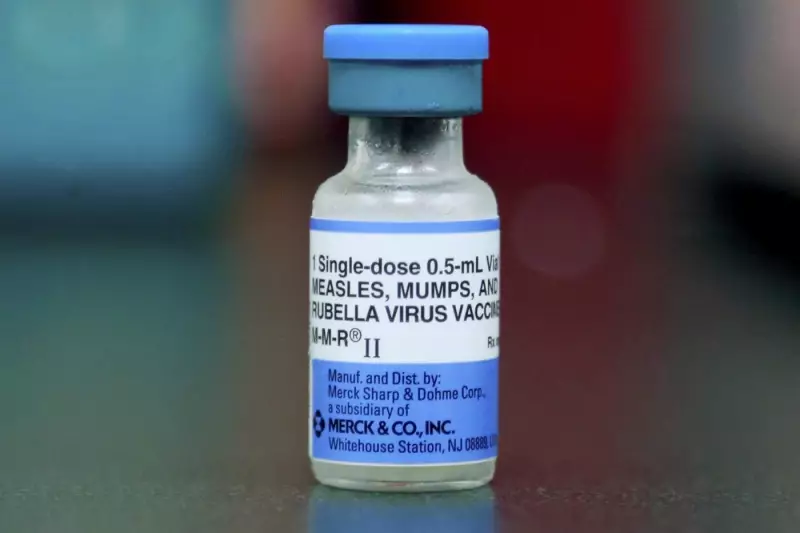
The cornerstone of measles prevention remains the Measles, Mumps, and Rubella (MMR) vaccine. Health officials across Canada, including in Alberta, are reiterating calls for residents to verify their immunization status. The two-dose MMR vaccine is highly effective, providing about 97% protection against the virus.
Alberta Health Services continues to emphasize that vaccination is the safest and most reliable method to protect individuals and achieve community-wide immunity, which helps shield those who cannot be vaccinated, such as infants or individuals with certain medical conditions.
Ongoing Vigilance and Public Response
The return of measles cases in Alberta serves as a stark reminder that vaccine-preventable diseases can re-emerge when immunization coverage wanes. Public health units are likely enhancing contact tracing efforts for new cases and issuing potential exposure notifications to alert the public.
Officials urge anyone unsure of their vaccination history to contact their healthcare provider or consult their provincial immunization records. Adults born before 1970 are generally considered immune due to likely prior exposure, but those born later should confirm they have received two doses of the MMR vaccine, especially before international travel.
This development in Alberta is being monitored closely by national health authorities, as it reflects broader challenges in maintaining high vaccination rates and preventing outbreaks of diseases once thought to be under control in Canada.