It began with a disorienting uncertainty—heart palpitations, vivid nightmares, and a pervasive sense that something was profoundly wrong. At first, I attributed it to grief or my lifelong anxiety, a physical manifestation of the emotional turmoil that defined the worst year of my life. Chronic illness worsened, loved ones were lost, and setbacks piled up with almost comedic regularity. As an author who writes about such struggles, it felt as though the universe had conspired to ensure I never lacked inspiration.
A Year of Medical Turmoil
The timeline was relentless. In January 2025, I underwent gallbladder surgery. February brought the responsibility of caring for my grandmother through two surgeries, followed by another procedure for myself in March. By April, my grandmother was on hospice, and she passed away in May. Emotionally and physically drained, I visited my primary care provider in late May, convinced my anxiety medication needed adjustment.
She agreed but emphasized her philosophy: never blame physical symptoms solely on anxiety. This perspective proved life-changing. I left her office wearing a heart monitor for three weeks, which revealed my heart rate spiking to 180 bpm while I sat calmly watching a local production of "Waitress." A cardiologist later explained I had been in fight-or-flight mode for months, a diagnosis that felt ironic in hindsight.

The Unraveling of Symptoms
A beta blocker stabilized my heart rate, offering the first relief in months. Yet, as the pounding in my chest quieted, other symptoms grew louder. Vivid, recurring nightmares of plane crashes and burning alive became routine, initially linked to grief over my grandmother's death. But soon, the dreams escalated—I began dying repeatedly in them, always burning, with sensations so realistic I could smell smoke and feel flames.
Awake, I experienced hyperthermic episodes, nausea, and unpredictable appetite. Severe, intermittent pain struck like lightning bolts, radiating from my side to my back. My face became inflamed, my mood plummeted, and I no longer recognized myself mentally, physically, or emotionally. The safe space of my own mind felt under siege.
The Accidental Discovery
On my birthday, I scheduled a follow-up with my primary care provider and, against common advice, dove into research. By chance, I found a year-old abdominal CT report from an ER visit for inexplicable pain. It noted a "stable 1 cm left adrenal nodule" first seen in 2016—something no one had ever mentioned to me. Armed with this information, I learned about adrenal adenomas and their potential to secrete hormones like cortisol.
My provider, who prioritizes same-day visits over ER referrals, listened intently. She suggested Cushing's syndrome, a disorder caused by prolonged cortisol exposure, which affects heart rate, blood pressure, metabolism, and sleep cycles. Tumors like adrenal adenomas can produce excess cortisol, wreaking havoc on the body. "Why do my patients have to tell me these things?" she muttered, frustrated by the lack of continuity in my care.
Diagnosis and Surgical Intervention
A dexamethasone suppression test confirmed the worst: my cortisol levels were three times too high. "You have Cushing's," she said simply, ending a years-long comedy of errors. Referred to an endocrine surgeon an hour away—a common step for serious cases in suburban North Carolina—I panicked, fearing the specialist would dismiss the findings.
At the appointment, the surgeon showed me images of the mass, a fuzzy spore atop my left kidney. He explained my agonizing ER episodes were likely kidney stones, a short-term effect of cortisol. Leaving the tumor untreated risked long-term issues like heart attacks, blood clots, and bone fractures. He recommended removing the mass and my left adrenal gland, noting that even my gallbladder surgery scars showed purpling from excess cortisol—a visible confirmation of the disorder.

Recovery and Reflection
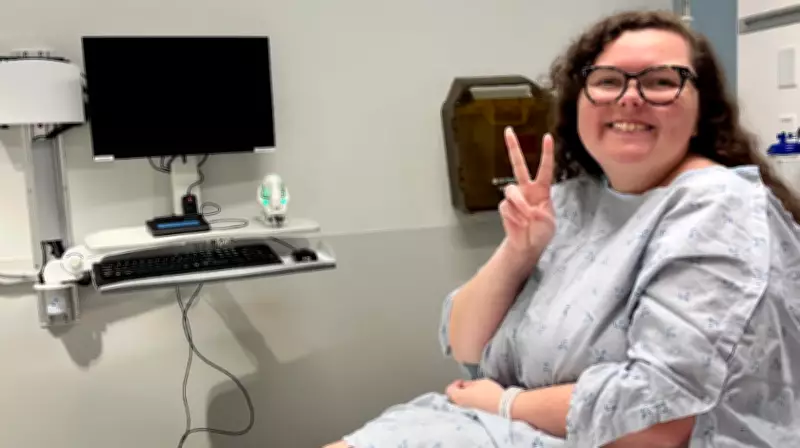
Six weeks later, I underwent surgery. Waking up, I was struck by an unfamiliar quiet—the relentless noise of anxiety had vanished, replaced by a peaceful silence. My recovery was challenging, with critically low blood pressure requiring medication and hormone replacement therapy to wean my body off excess cortisol. Medical students visited, learning about Cushing's rarity and my swift diagnosis, crediting my exceptional primary care provider.
Now, I appreciate teaching hospitals, effective nausea patches, and stable blood pressure. Most importantly, I've reclaimed my mind, free from the blaring anxiety that once filled it. This journey, once seen as a comedy of errors, now highlights my privilege in a flawed medical system. With family support and dedicated healthcare providers, self-advocacy became possible—a luxury not all can afford. I wouldn't trade this insight for anything, even symmetrical adrenal glands.