St. Paul's Hospital Pilot Program Transforms Lives of Fecal Incontinence Patients
A pioneering pilot program at St. Paul's Hospital in Vancouver is delivering life-altering relief for individuals suffering from fecal incontinence, a condition that has long been shrouded in stigma and often goes untreated. The initiative introduces sacral nerve stimulation therapy to British Columbia, offering a minimally invasive alternative to traditional surgical interventions.
A Personal Journey to Recovery
Cynthia, a 67-year-old Richmond resident who requested her last name remain private, experienced pelvic floor complications following the births of her two children. As she entered menopause, her ability to control bowel movements diminished significantly, profoundly impacting her quality of life.
"It stopped me from doing a lot of things I enjoyed," Cynthia revealed. She abandoned activities such as attending theater performances, sports events, hiking, and extended walks due to the constant need for restroom access. "Everything just became difficult. And embarrassing," she added.

The emotional toll reached a peak when her condition prevented her from attending a close friend's funeral in White Rock, prompting her to seek medical assistance. After a referral to a urogynecologist, Cynthia learned about the newly launched pilot program and eagerly consented to participate.
"I said, 'Absolutely.' Who wouldn't be interested in something minimally invasive as opposed to a major surgery?" she remarked.
Understanding Fecal Incontinence and the Innovative Treatment
Fecal incontinence, characterized by accidental bowel leakage, is a prevalent yet frequently under-diagnosed condition that severely affects daily living. Medical studies indicate that up to 10 percent of the population, predominantly women, will encounter this issue, with over half refraining from seeking treatment due to embarrassment or lack of awareness.
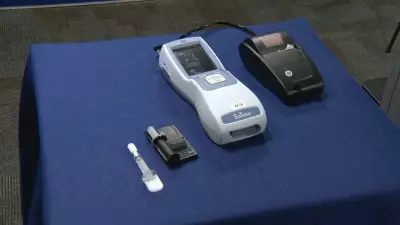
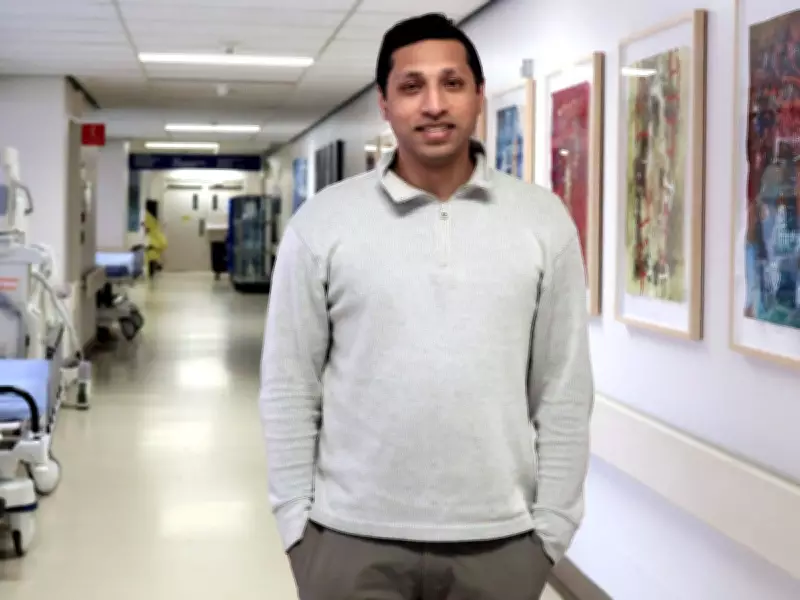
The pilot program focuses on sacral nerve stimulation, a procedure involving the implantation of a small electrode near a sacral nerve to regulate bowel function. Dr. Vishal Varshney, an anesthesiologist and chairperson in pain management at St. Paul's Hospital, explained that the device operates similarly to a pacemaker, emitting mild electrical pulses to the nerve.
"It sends signals to the brain that you don't need to go to the bathroom," Dr. Varshney clarified. While nerve stimulation has been utilized for conditions like chronic pain, its application for fecal incontinence marks a novel advancement in British Columbia.
Promising Outcomes and Future Implications
Among the nine patients from across the province who participated in the pilot, six, including Cynthia, responded positively to the therapy and proceeded to receive permanent implants. The procedure, lasting between 45 minutes to an hour, leverages techniques akin to spinal cord stimulation already performed by St. Paul's pain management team, positioning the hospital as an ideal site for this innovative treatment.
Dr. Varshney reported overwhelmingly favorable feedback from participants, noting significant improvements in their lifestyles. Patients have expressed renewed freedom, such as no longer needing to scout for bathrooms, embarking on extended road trips, wearing bathing suits confidently, and even planning long-haul flights to destinations like Australia.
Cynthia's transformation is particularly poignant. "I'm buying white pants. That hasn't happened for a long time," she shared, highlighting the restoration of her self-assurance and daily joys.
This pilot program not only offers hope to those grappling with fecal incontinence but also underscores the importance of addressing stigmatized health issues through cutting-edge medical research and patient-centered care.