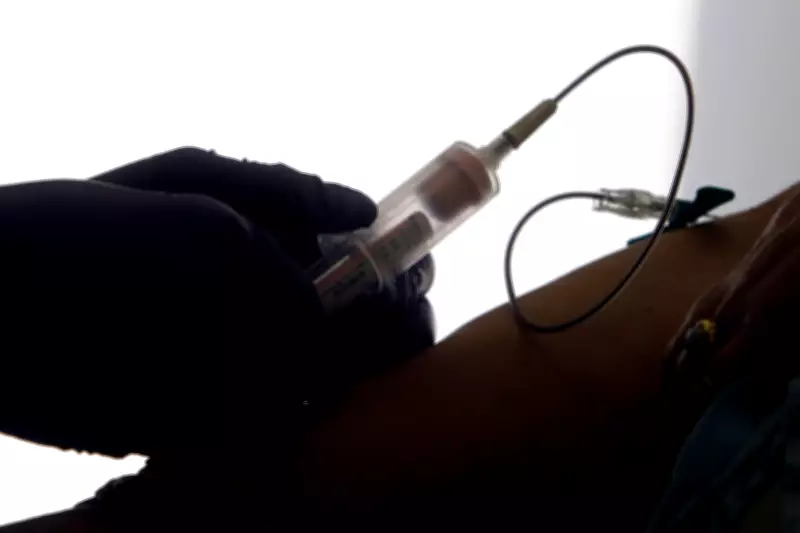
University of Saskatchewan Researchers Pioneer Groundbreaking Blood Test for Parkinson's Disease
In a significant medical advancement, scientists at the University of Saskatchewan have unveiled a new blood test that could fundamentally change how Parkinson's disease is diagnosed. This innovative development, announced in April 2026, aims to provide earlier and more precise detection of the neurodegenerative disorder, potentially improving patient outcomes and treatment strategies.
Transforming Diagnostic Approaches
Currently, diagnosing Parkinson's disease often relies on clinical observations of symptoms such as tremors, stiffness, and balance issues, which can be subjective and may not appear until the disease has progressed. The University of Saskatchewan's blood test targets specific biomarkers associated with Parkinson's, offering a more objective and reliable method. This could lead to earlier intervention, as the test might identify the disease before noticeable symptoms emerge, allowing for timely management and care.
Dr. Carla Shynkaruk, a lead researcher on the project, emphasized the test's potential impact. "Our blood test represents a major step forward in neurology," she said. "By detecting Parkinson's at an earlier stage, we can tailor treatments more effectively and potentially slow disease progression, enhancing quality of life for patients."

Implications for Healthcare and Research
The development of this blood test could have far-reaching implications:
- Improved Accuracy: Reducing misdiagnosis rates, which are common with current methods.
- Cost-Effectiveness: Offering a less invasive and potentially cheaper alternative to brain scans or other diagnostic tools.
- Research Advancements: Facilitating better clinical trials by enabling earlier participant recruitment and more precise monitoring of disease progression.
Parkinson's disease affects millions worldwide, with symptoms that worsen over time, leading to significant disability. Early diagnosis is crucial, as it allows for the initiation of therapies that can manage symptoms and improve daily functioning. The University of Saskatchewan's breakthrough could address a critical gap in neurology, where diagnostic tools have lagged behind treatment innovations.
Future Prospects and Challenges
While the blood test shows promise, researchers note that further validation through larger clinical trials is necessary before it can be widely adopted in healthcare settings. Regulatory approvals and integration into medical practice may take several years, but the initial results are encouraging. The team at the University of Saskatchewan is collaborating with international partners to refine the test and explore its application in other neurodegenerative conditions.
This development aligns with global efforts to enhance neurological care, as highlighted by recent health initiatives in Canada and beyond. As the population ages, the prevalence of Parkinson's is expected to rise, making such innovations increasingly vital for public health systems.
In summary, the University of Saskatchewan's blood test represents a hopeful advancement in the fight against Parkinson's disease, promising to revolutionize diagnosis and pave the way for more personalized and effective treatments in the future.