Social Media Analysis Uncovers Hidden Side Effects of Popular Weight-Loss Medications
A groundbreaking study has revealed that thousands of patients are experiencing side effects from weight-loss drugs that may be going unreported in traditional medical channels. Researchers conducted an extensive analysis of social media posts, particularly on Reddit, to identify patterns and symptoms that healthcare providers might be missing.
Methodology: Mining Patient Experiences Online
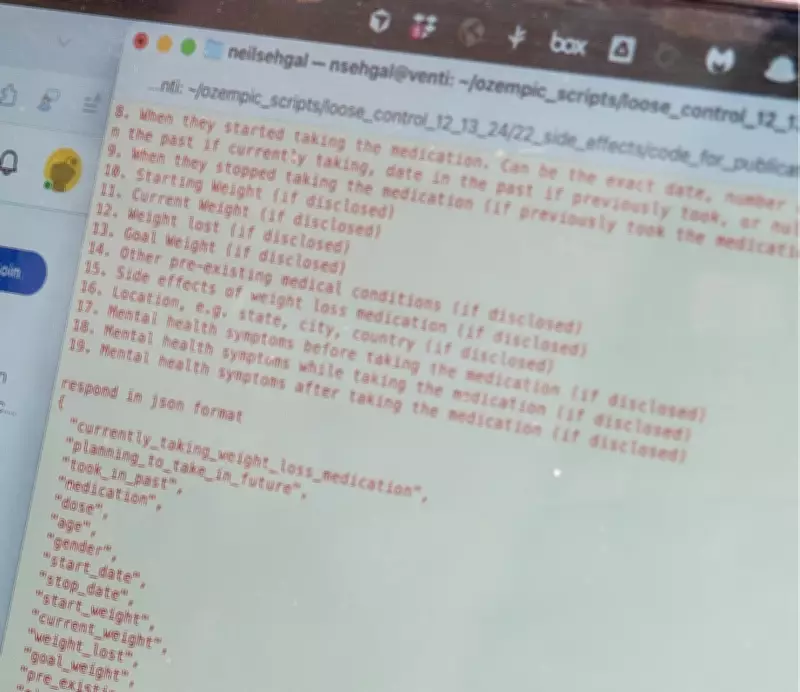
The research team employed sophisticated data analysis techniques to examine thousands of user posts discussing their experiences with GLP-1 receptor agonists, a class of medications commonly prescribed for weight management and diabetes. These drugs, which include semaglutide and liraglutide, have gained tremendous popularity in recent years but come with known side effects that may be more extensive than previously documented.
The study represents a novel approach to pharmacovigilance, moving beyond conventional reporting systems that often capture only a fraction of patient experiences. By analyzing unfiltered patient narratives on social media platforms, researchers identified numerous symptoms that patients described but may not have formally reported to their healthcare providers or through official channels.

Key Findings: Beyond the Expected Side Effects
While gastrointestinal issues like nausea and diarrhea are well-documented side effects of these medications, the social media analysis revealed additional concerns that patients frequently discussed. These included:
- Persistent fatigue and energy depletion that impacted daily functioning
- Significant changes in mood and emotional wellbeing
- Unexpected hair thinning or loss that concerned many users
- Muscle weakness and reduced physical capacity
- Sleep disturbances and changes in sleep patterns
The volume of these discussions suggests these side effects may be more common than indicated in clinical trial data or standard post-market surveillance, according to the researchers. Many patients expressed frustration that their healthcare providers seemed unaware of or dismissive of these symptoms when they brought them up during appointments.
Implications for Patient Care and Drug Monitoring
This research highlights significant gaps in how side effects are captured and reported in the pharmaceutical ecosystem. Traditional reporting systems often rely on healthcare providers to document adverse events, but many patients either don't report symptoms to their doctors or their concerns aren't formally recorded.
The study authors emphasize that social media analysis should complement, not replace, existing pharmacovigilance methods. "Patient narratives on social platforms provide real-world evidence that can help identify patterns and concerns that might otherwise go unnoticed," explained one researcher involved in the project.
Healthcare professionals are encouraged to ask more detailed questions about patients' experiences with these medications and to consider the broader range of symptoms that patients might be experiencing. The findings also suggest that drug manufacturers and regulatory agencies could benefit from incorporating social media monitoring into their post-market surveillance strategies.
Moving Forward: Better Communication and Monitoring
The research underscores the importance of improved communication between patients and healthcare providers regarding medication side effects. Patients taking weight-loss drugs are advised to:

- Keep detailed journals of any symptoms or changes they experience
- Discuss all concerns with their healthcare providers, even seemingly minor ones
- Consider participating in formal reporting systems when appropriate
- Be cautious about making medication changes without medical supervision
As weight-loss medications continue to grow in popularity, this study serves as a reminder that patient-reported experiences—whether through traditional channels or social media—provide valuable insights that can improve medication safety and patient outcomes. The research team plans to expand their analysis to other medication classes and social platforms to further understand how digital patient narratives can enhance pharmacovigilance efforts.