Patients living with multiple sclerosis in New Brunswick will gain access to a revolutionary diagnostic tool in 2026 that promises to transform how the neurological condition is monitored and managed.
Breakthrough in MS Detection
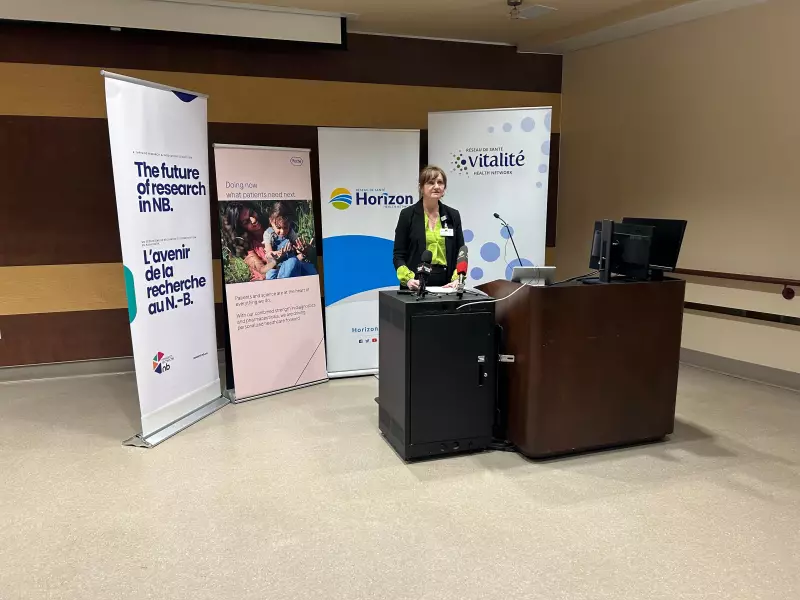
The announcement was made at Dr. Everett Chalmers Hospital in Fredericton on November 17, 2025, marking a significant advancement for the province's healthcare system. This innovative biomarker test represents a major step forward in detecting MS activity, potentially allowing for earlier intervention and more personalized treatment approaches.
Unlike traditional methods that rely heavily on MRI scans and clinical symptoms, the biomarker test can identify biological markers associated with MS progression. This objective measurement could provide healthcare providers with more precise information about disease activity, even before new symptoms become apparent.

Transforming Patient Care
The introduction of this testing capability in 2026 positions New Brunswick at the forefront of multiple sclerosis care in Canada. For the thousands of Canadians living with MS, this development offers hope for improved quality of life and better long-term outcomes.
Multiple sclerosis affects approximately 1 in every 400 Canadians, with many patients experiencing unpredictable symptoms that can include vision problems, mobility issues, and chronic fatigue. The availability of this biomarker test could help reduce the uncertainty that often accompanies the condition.
Future Implications
Medical professionals anticipate that the biomarker test will enable more timely adjustments to treatment plans, potentially slowing disease progression and preventing permanent neurological damage. The test's ability to detect MS activity at a molecular level represents a shift toward precision medicine in neurology.
As New Brunswick prepares to implement this innovative approach to MS care, healthcare providers are expected to receive specialized training to ensure patients benefit fully from this technological advancement. The rollout in 2026 will mark a new era in the province's approach to managing complex neurological conditions.