In a groundbreaking medical advancement, Toronto hospitals are pioneering remote robotic technology that could transform stroke treatment across Canada. Neurosurgeons can now perform delicate brain procedures from kilometers away using sophisticated robotic systems.
Revolutionizing Stroke Care Through Technology
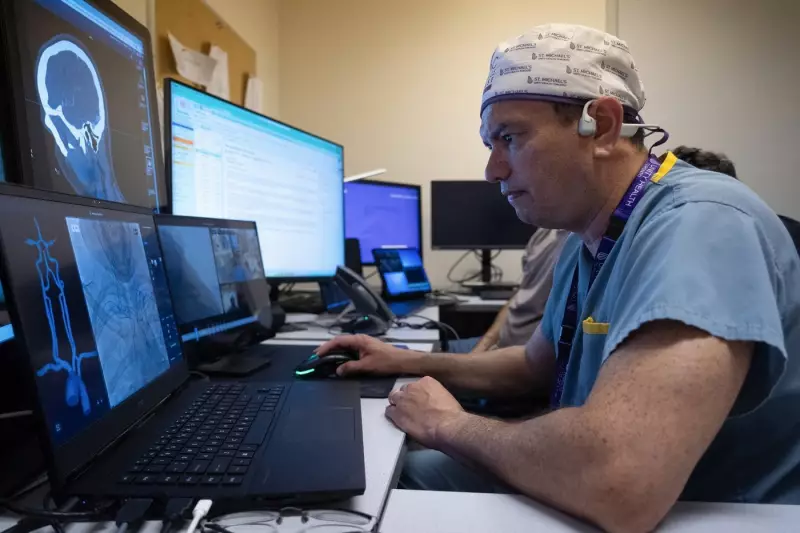
Dr. Vitor Mendes Pereira, a prominent neurosurgeon at Unity Health Toronto, recently demonstrated this innovative approach by successfully controlling a robotic system located six kilometers away. While working from St. Joseph's Hospital, Dr. Pereira remotely maneuvered a catheter through a patient's brain at St. Michael's Hospital to perform a cerebral angiogram.
The significance of this technological leap cannot be overstated for stroke patients, where every minute counts. "Time is brain" has long been the guiding principle in stroke care, emphasizing that faster treatment leads to better outcomes by minimizing brain damage.

How Remote Robotic Treatment Works
The system allows neurosurgeons to control robotic equipment from separate locations using advanced computer interfaces. This capability means that specialized stroke expertise can reach patients in remote or underserved areas without requiring physical presence of the specialist.
During the recent procedure, Dr. Pereira utilized real-time imaging and precise robotic controls to navigate the delicate blood vessels of the brain. The successful demonstration marks a crucial step toward making specialized neurovascular care more accessible throughout Ontario and potentially across Canada.
Future Implications for Canadian Healthcare
This development represents a significant advancement in telemedicine and could address critical gaps in stroke care accessibility. Many rural and northern communities in Canada lack immediate access to specialized neurological services, often requiring patient transfers that consume precious treatment time.
The remote robotic technology demonstrated in Toronto could eventually allow specialists in major urban centers to provide emergency stroke interventions to patients in distant locations. This approach has the potential to dramatically improve outcomes for stroke patients nationwide by reducing treatment delays.
As healthcare systems across Canada continue to explore innovative solutions, Toronto's leadership in remote robotic treatment positions the city at the forefront of neurological care innovation. The successful implementation of this technology could serve as a model for other provinces seeking to enhance their stroke care capabilities.