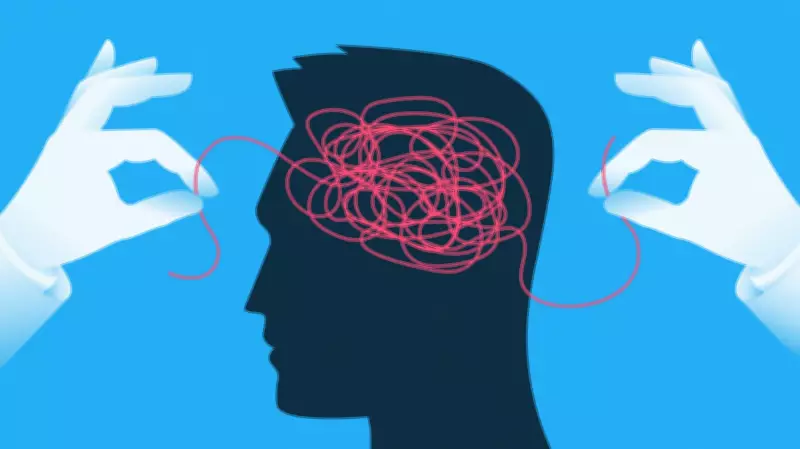
The Covert Nature of Emotional Manipulation
Emotional manipulation frequently operates in shadows rather than through overt displays of control. Instead of dramatic confrontations, it manifests through subtle patterns and interactions that systematically erode a person's confidence and emotional stability. "It revolves around unspoken rules and expectations," explained licensed marriage and family therapist Alexandria Tillard-Gates. "This form of psychological influence can infiltrate intimate relationships, friendships, and all family dynamics. Many individuals experience emotional manipulation during formative relationships without recognizing it until much later in life."
From Malignant Intent to Unconscious Patterns
At the extreme end, malignant narcissists employ emotional manipulation without remorse or regard for others' feelings. However, Dr. Sue Varma, clinical assistant professor of psychiatry at New York University Grossman School of Medicine, emphasizes that "sometimes it is not as calculated or nefarious as it may appear. The person may simply possess immature communication styles." Regardless of intent, the impact remains profoundly destabilizing.
Licensed marriage and family therapist Spencer Northey describes emotional manipulation as "when our nervous system becomes needlessly triggered. It generates unwarranted anxiety based on distorted input, disconnecting us from reality, intensifying emotional storms, and making us feel younger or more responsible than appropriate."

Eight Warning Signs of Emotional Manipulation
1. Reality Questioning and Gaslighting
"During manipulation in conversations or conflicts, we often experience strong feelings that the other person denies," Tillard-Gates noted. "Abusers frequently lie to evade responsibility, causing victims to question their feelings, experiences, and memories." This pattern, known as gaslighting, systematically distorts reality to undermine confidence in one's perceptions. Northey contrasts this with healthy dynamics where "realities merge through collaborative understanding," whereas manipulative dynamics "rigidly avoid that convergence by insisting on one reality."
2. Constant Tests of Love and Loyalty
Psychologist Zainab Delawalla observes that emotional manipulation often surfaces as "someone questioning your love or loyalty to deflect conflict." For instance, when setting a boundary about late-night texting, a manipulator might respond with "you must not care about me." This shifts focus from legitimate concerns to forcing proof of commitment, potentially leading to actions that conflict with personal needs.
3. Inappropriate Guilt and Shame
"Emotional manipulation can manifest as shaming, inducing guilt, or making someone feel responsible for your feelings," Varma explained. These dynamics exploit guilt and obligation to coerce compliance. In healthy conflicts, both parties work toward mutual understanding, whereas manipulation involves subtly placing blame to pressure compliance.
4. Emotional Whiplash from Love Bombing
Varma identifies "love bombing" as a common tactic where excessive compliments and affection early in relationships create dependency. "The problem is you become addicted to the highs," she stated. "Your self-worth becomes tied to their approval, making you emotionally dependent and controlled." This creates a cycle where criticism feels like personal failure.
5. Outsized Emotional Reactions
Northey distinguishes between normal emotional responses to actual events and disproportionate reactions triggered by communication alone. "You might feel intense anxiety or euphoria that the situation doesn't justify," she said, noting these feelings stem from distorted messages rather than reality.
6. Walking on Eggshells
Constant self-monitoring to avoid conflict signals problematic dynamics. "You become afraid to discuss feelings or confront issues," Varma observed. Delawalla adds that this interference with open communication undermines relationship foundations.
7. Having Feelings Dictated
Healthy conflict respects individual perspectives, while manipulation involves statements like "You're jealous" or "You're overreacting" that override personal experience. "This strips you of agency to explain yourself," Northey emphasized, dismissing your reality.

8. Boundary Violations
Manipulators often test boundaries through small transgressions like hurtful jokes or last-minute cancellations, escalating if unchallenged. "Some people simply avoid responsibility," Varma noted, citing responses like "I was just kidding" when called out. This creates environments where issues remain unresolved, fostering self-doubt.
Strategies for Responding to Emotional Manipulation
When recognizing these patterns, shift focus from analyzing the other person's behavior to understanding your own experience. "The safest approach believes you can only control yourself," Northey advised. "Look inward rather than outward."
Identify emotional reactions and unmet needs for trust, support, and understanding. Direct communication can help: "Clearly explain how derailed conversations requiring justification of love or loyalty affect you," Delawalla recommended. However, if repeated expressions meet defensiveness or further manipulation, changing the dynamic may prove impossible.
"Attempting to change someone you believe is emotionally manipulative becomes a manipulative game itself," Northey cautioned. Instead, strengthen your reality perception and connections. "Knowing what being seen and loved genuinely feels like makes you less susceptible to love bombing," she explained. "Reliable reality-checking systems reduce vulnerability to gaslighting."
Seeking external perspectives provides valuable insight. "Our intuition often signals when something feels off," Tillard-Gates noted. "Consulting therapists, friends, or even strangers offers crucial perspective." Surrounding yourself with emotionally safe, healthy connections helps break toxic cycles and establish positive patterns.