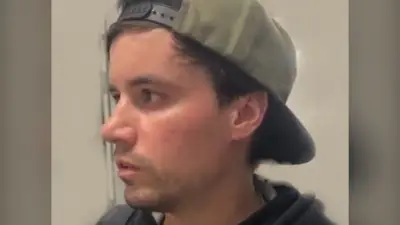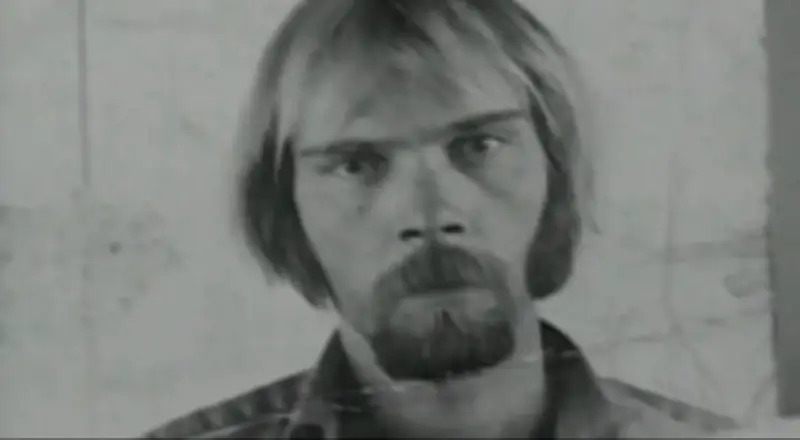
A Saskatoon serial killer, who has spent 50 years behind bars, reportedly sees little point in working toward release, according to a recent assessment by the Correctional Service of Canada (CSC). The inmate, whose identity is protected under privacy laws, was convicted in the 1970s for a series of murders that terrorized the city.
Inmate's attitude toward rehabilitation
The CSC's latest correctional plan review, obtained by local media, indicates that the offender has shown minimal engagement with rehabilitation programs. The report states that the inmate "expressed little interest in participating in programming aimed at reducing risk of reoffending." A CSC spokesperson confirmed that the individual has been "largely compliant with institutional rules but lacks motivation for change."
History of the case
The serial killer was arrested in 1976 after a multi-year investigation into the deaths of at least three women in Saskatoon. He was sentenced to life in prison with no chance of parole for 25 years. Despite multiple parole hearings since the early 2000s, he has been denied release each time due to ongoing risk assessments. In 2024, the Parole Board of Canada noted that the offender "continues to minimize his actions and lacks insight into his offending behavior."

Impact on victims' families
Victims' families have expressed mixed reactions to the news. Mary Johnson, whose sister was one of the victims, said, "It's frustrating that he still shows no remorse after all these years. But at least he's not getting out." Another family member, who wished to remain anonymous, added, "We've moved on with our lives, but this reminder brings back painful memories."
Broader context
This case highlights challenges in the correctional system regarding long-term inmates who resist rehabilitation. According to CSC statistics, approximately 15% of lifers serving more than 30 years show similar disengagement. Experts say that such cases require specialized interventions to address deep-seated psychological issues.
Looking ahead
The inmate's next parole eligibility date is in 2028. Given his current stance, experts predict another denial. Meanwhile, Saskatoon continues to grapple with its history of violent crime, with the serial killer's case remaining one of the most notorious in the city's annals.