A Restroom Confrontation That Shook a Journey of Self-Discovery
During a summer 2024 road trip through California, a simple visit to a public restroom turned into a moment of profound vulnerability and fear for nonbinary writer Rey Katz. Immersed in a journey of self-exploration while camping in a van with their partner, Katz had recently cut their hair short, embracing a more masculine appearance that felt authentic. This personal transformation, however, collided with societal expectations in a cramped stall, when a stranger's booming voice pierced the silence of a women's bathroom.
The Moment of Crisis in a Gendered Space
"Hello? Are you a male or female in there?" a man called into the restroom, his boots clunking on the tile floor as he stepped across the threshold. Alone in the stall, pants around their ankles, Katz froze. Their heart skipped a beat. Fingers instinctively went to their newly shorn hair—just two inches remaining—and a wave of doubt washed over them. Had this step toward self-expression been a mistake?
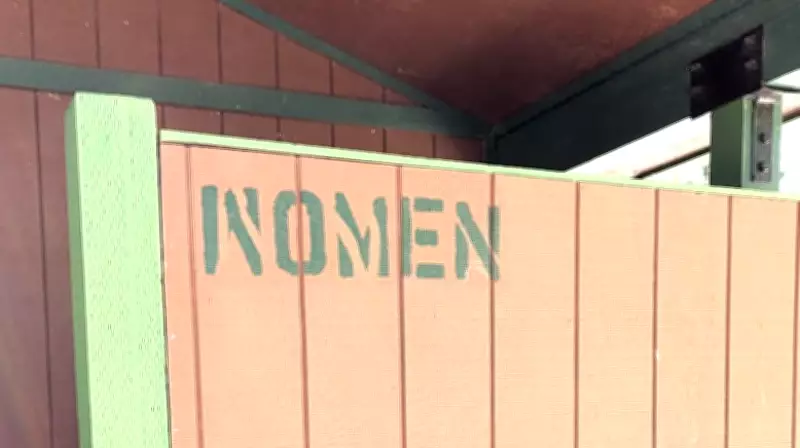
This was not Katz's first brush with discomfort in gendered spaces. Earlier, while washing their face in another restroom, a woman had peered in, then lingered outside uncertainly, asking if this was indeed the women's room. Katz affirmed it was, forcing a smile before hurrying past the large green letters spelling "WOMEN" on the wooden wall. The message was clear: their masculine presentation had rendered them suspect in a space they had used their entire life.

A Life Between Binary Expectations
Katz, who came out as transmasculine and nonbinary in their late twenties, describes a lifelong tension between internal identity and external perception. "I have been unhappy with the shape of my body, my appearance in the mirror and the tone of my voice," they write. Growing up, long braided pigtails and societal cues marked them as a girl, a label that never quite fit. Even cutting their hair was fraught with internalized shame, hearing phantom voices lament, "Oh, but your hair is so lovely, you should keep it long."
Yet, on this trip, removed from community and immersed in nature, Katz found clarity. Camped by a remote river, they took scissors to their hair, giving themselves the same two-inch "men's" cut they usually give their partner. Afterward, they dove into the brown river water, scrubbing their scalp, floating naked and unjudged under the sun. It was a moment of pure, liberating authenticity.
The Harassment and Its Aftermath
Back in civilization, that authenticity became a liability. In a city park restroom, the man's interrogation continued: "Hello? Are you a male or female?" Katz, terrified the situation might escalate, gulped and replied, "Hello?" Their quavering voice—interpreted as "female"—seemed to satisfy the stranger. "Oh, you're a female. My bad," he said, departing. But the damage was done.
Shaken, Katz grappled with the violation. Their voice had instantly categorized them as the "female" they don't feel themselves to be, yet it also possibly prevented further harassment. Would the man have dragged them from the stall if they'd sounded "like a man" or remained silent? The incident left Katz physically ill, especially at the implication that their masculine appearance might be seen as a threat to children who had been in the restroom moments earlier.
For days afterward, gender dysphoria intensified. Using public restrooms became an ordeal. Katz resorted to wearing a pink hat, forcing smiles, and walking in "confidently, femininely," performing a version of womanhood that felt alien. "But I'm not a woman," they emphasize.
The Broader Landscape of Bathroom Politics
Katz's experience underscores a harsh reality for transgender and nonbinary individuals navigating public spaces. With unisex bathrooms rare, the choice is often binary: women's or men's. Laws restricting bathroom access, proliferating across the United States, attempt to define sex based on reproductive capacity (eggs or sperm), but in practice, enforcement relies on snap judgments about appearance.

These so-called "bathroom bills" ostensibly aim to protect children from predators, yet assault is already illegal. What they effectively do, Katz notes, is endanger transgender people, particularly trans women, who may face harassment or violence in either restroom. Being forced to use the "wrong" bathroom can out someone as trans, with potentially dangerous consequences.
The physical toll is also significant. Many trans women take testosterone blockers like spironolactone, a diuretic that increases urinary frequency. The stress of finding a safe bathroom with a filling bladder becomes, as Katz puts it, "literally—painful."
A Glimmer of Validation and Ongoing Struggles
Weeks later, back at the same park, Katz encountered a different scenario. With the women's restroom closed for cleaning, a plumber gestured toward the men's room. Reading Katz's bundled-up, masculine presentation, he assumed that was their destination. "Use the toilet in the last stall," he instructed. Katz complied, pitching their voice down, and emerged feeling surprisingly comfortable. "Someone had told me that I could use that bathroom, that stall, and I felt validated," they recall. It was a stark contrast to being questioned in the women's room.
Yet, such validation is precarious. In California, Katz faced no legal repercussions for using the men's bathroom, but in states like Florida, refusing to leave a restroom if challenged could lead to criminal trespass charges—a first-degree misdemeanor punishable by up to a year in prison or a $1,000 fine. Legislation like the proposed Protecting Women's Private Spaces Act, introduced in November 2024, would bar transgender individuals from using restrooms matching their gender identity on federal property, directly impacting figures like U.S. Rep. Sarah McBride, the first openly transgender member of Congress.
Choosing Authenticity Amidst the Struggle
Despite the frustration and fear, Katz continues to navigate this fraught landscape. "I have to justify my gender expression to strangers and negotiate with them," they explain. The alternative—hiding their true self—is more painful. "Finding more authentic ways to express myself feels like a weight that I wasn't aware of has been lifted off my chest, and suddenly, I can breathe deeply."
Reflecting on that river swim after cutting their hair, Katz remembers feeling both afraid and excited for the future. The journey toward self-acceptance, though riddled with challenges like that bathroom confrontation, remains essential. It is a testament to the resilience required to live authentically in a world still grappling with the nuances of gender identity.