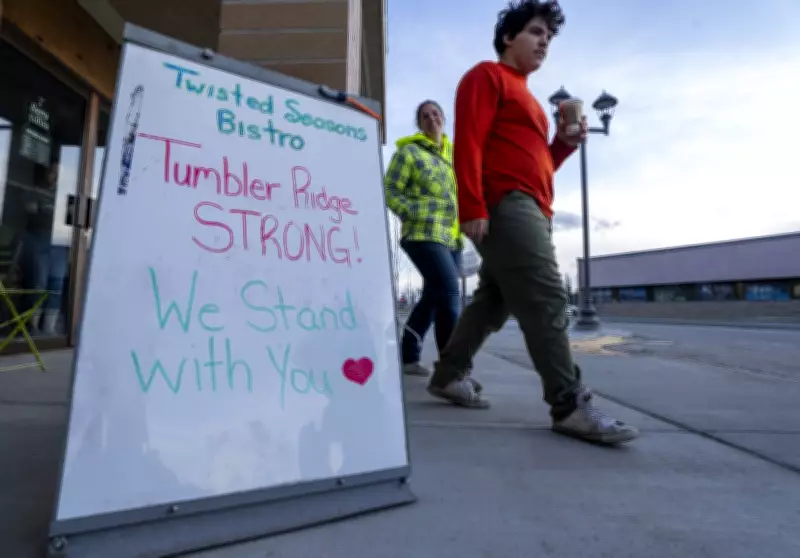
B.C.'s Mental Health Act Under Scrutiny After Tumbler Ridge Tragedy
The recent mass shooting in Tumbler Ridge, British Columbia, has thrust the province's Mental Health Act into the spotlight, raising critical questions about its application and relevance in crisis situations. This legislation, which outlines procedures for involuntary psychiatric assessment and treatment, is now being examined as communities seek answers following the violent incident that left multiple victims and prompted a massive police response.
What Does the Mental Health Act Actually Do?
The British Columbia Mental Health Act provides the legal framework for how individuals experiencing mental health crises can be detained and treated against their will when they pose a danger to themselves or others. The act authorizes physicians, police officers, and designated mental health professionals to initiate involuntary admissions to psychiatric facilities under specific circumstances. These provisions are intended to balance individual rights with public safety concerns, though they remain controversial in many circles.
Under the act, a person can be detained for up to 48 hours for psychiatric assessment if a physician believes they are suffering from a mental disorder that requires treatment and that they are likely to cause harm to themselves or others. Following this initial period, further detention requires review by a second physician and potentially a hearing before a review panel. The legislation also outlines community treatment orders that can mandate outpatient care for individuals with recurring mental health challenges.

Connection to the Tumbler Ridge Incident
While specific details about the Tumbler Ridge shooter's mental health status and history remain under investigation, the tragedy has inevitably prompted discussions about whether existing mental health legislation provides adequate tools for prevention and intervention. Community members and mental health advocates are questioning whether the current system offers sufficient support before crises escalate to violence.
The shooting occurred in a small community where resources may be limited, highlighting potential gaps in mental health services across British Columbia, particularly in rural areas. Federal leaders attending vigils for the victims have emphasized the need for comprehensive mental health support systems, though specific legislative changes have not yet been proposed in direct response to the incident.
Broader Implications for Mental Health Policy
This tragedy comes amid ongoing debates about mental health legislation across Canada, with different provinces implementing varying approaches to involuntary treatment and crisis response. The B.C. Mental Health Act has undergone revisions over the years, but critics argue it still prioritizes institutional responses over community-based prevention and early intervention strategies.
Mental health professionals note that while legislation like the Mental Health Act provides important emergency powers, truly effective mental health systems require adequate funding for community services, crisis response teams, and ongoing support for individuals and families. The Tumbler Ridge shooting has amplified calls for more integrated approaches that address both immediate crises and long-term mental health needs.
As investigations continue and communities mourn, the relationship between mental health legislation, service availability, and public safety remains a complex and urgent topic for policymakers, healthcare providers, and all British Columbians concerned with preventing future tragedies.