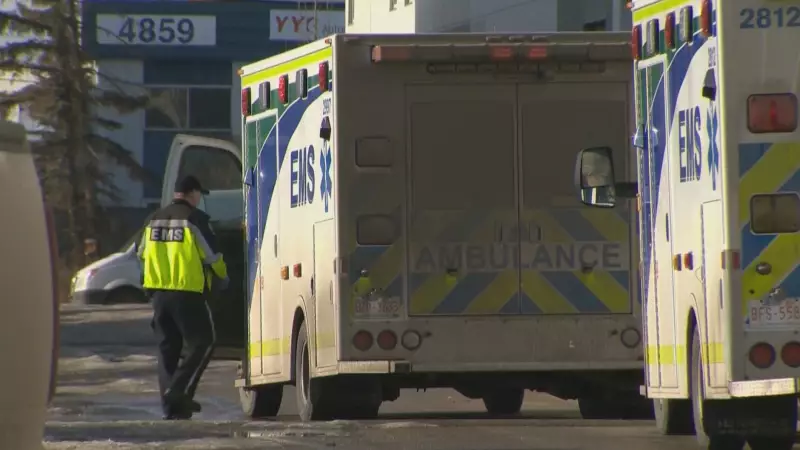
A significant conference taking place in Calgary aims to provide crucial support for first responders grappling with mental health challenges, as alarming data reveals the widespread impact of trauma within these essential professions.
The Scale of the Problem
According to information from Public Safety Canada, a majority of first responders have experienced at least one traumatic incident during their careers. This startling statistic underscores the urgent need for specialized mental health support and intervention programs tailored to the unique challenges faced by police officers, firefighters, paramedics, and other emergency personnel.
The Calgary conference brings together mental health experts, organizational leaders, and first responders themselves to address the psychological toll of repeated exposure to critical incidents. These professionals regularly encounter situations that would traumatize most people, yet until recently, discussing the mental health consequences remained largely taboo within these communities.

Breaking Down Barriers
The gathering represents a growing recognition within emergency services that mental health support is not a sign of weakness but a necessary component of maintaining a resilient workforce. Organizers emphasize that addressing mental health challenges early can prevent more severe consequences, including post-traumatic stress disorder, depression, substance abuse, and even suicide.
Conference sessions focus on practical strategies for building psychological resilience, recognizing signs of distress in colleagues, and creating workplace cultures that encourage help-seeking behavior without stigma. The program includes workshops on trauma-informed care, peer support systems, and accessing professional mental health resources.
Moving Forward with Solutions
Beyond immediate support mechanisms, the conference explores systemic changes needed within first responder organizations. This includes examining shift structures, critical incident debriefing protocols, and long-term mental wellness programs that extend beyond crisis response.
The timing of this initiative coincides with increasing public awareness about the psychological costs of emergency response work. As communities become more informed about these challenges, support for adequate mental health resources for first responders continues to grow.
Participants leave the conference equipped with concrete tools and strategies to implement within their organizations, representing a significant step forward in protecting those who dedicate their lives to protecting others.