Thinking about death may seem uncomfortable, but according to certified death doula Adrianna Prosser, it's one of the most important conversations you can have to protect your loved ones. As more Canadians seek to plan for their final chapter, death doulas are emerging as valuable guides in navigating end-of-life decisions.
The Role of a Death Doula in Modern Society
Death doulas, sometimes called end-of-life doulas, provide non-medical support and guidance to individuals and families facing mortality. Unlike healthcare professionals who focus on medical treatment, death doulas address the emotional, spiritual, and practical aspects of dying. Adrianna Prosser, a certified death doula, emphasizes that this work is about creating space for meaningful conversations that many people avoid.
"Death is something we need to think about to set our families up for success when we're gone," Prosser explains. Her approach focuses on transforming fear into preparation, helping people consider everything from legacy projects to practical arrangements that can ease the burden on grieving family members.

Practical Steps for End-of-Life Planning
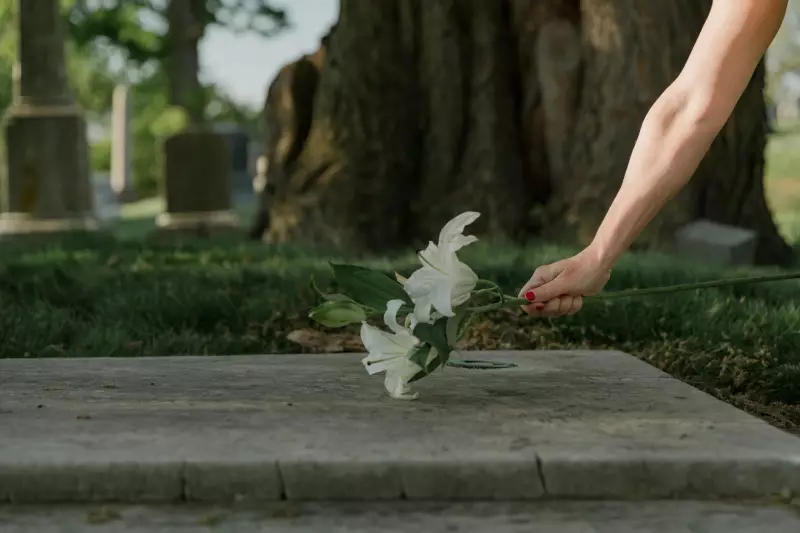
Proper end-of-life planning goes beyond writing a will. Prosser recommends several key areas that Canadians should address. Advance care directives ensure your medical wishes are respected if you cannot communicate them yourself. Documenting your preferences for funeral arrangements can prevent family conflicts during emotional times.
Many people also benefit from creating ethical wills or legacy letters that share values, life lessons, and personal messages with loved ones. Prosser notes that planning a 'good death' means different things to different people, but the common thread is taking control of the process rather than leaving decisions to others.
Changing Attitudes Toward Death in Canada
The growing interest in death doulas reflects a broader cultural shift in how Canadians approach mortality. As the population ages and more people experience drawn-out chronic illnesses rather than sudden deaths, there's increasing recognition that end-of-life deserves as much attention as other life transitions.
Prosser's work, featured on CTV Your Morning Edmonton, highlights how planning for death is ultimately an act of care for those we leave behind. By having difficult conversations early and documenting wishes clearly, individuals can transform what might be a traumatic experience into a meaningful transition that honors their life and values.
While the topic remains challenging for many, the death positive movement continues to gain traction across Canada, encouraging people to view end-of-life planning not as morbid, but as responsible and compassionate.