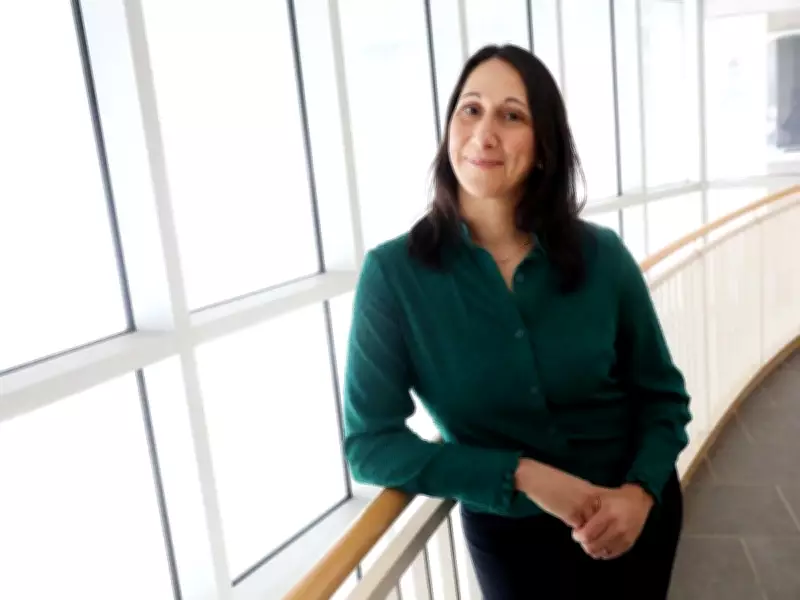
Dr. Nicole Obeid, a clinical psychologist and researcher at the Children's Hospital of Eastern Ontario (CHEO), is sounding the alarm about Canada's approach to eating disorders among youth. She argues that the current system, which often only treats individuals in advanced stages, is fundamentally flawed and leads to poor outcomes. "If we only treated those at stage four cancer, we would have terrible outcomes, but that is currently the sort of a system of care we have available for eating disorders," Obeid states, drawing a stark comparison to highlight the critical need for early intervention.
The Personal Cost of Delayed Treatment
Christopher Vallee's story powerfully illustrates the consequences of late diagnosis. Now a 26-year-old journalism instructor in Ottawa, Vallee's struggle began at age 11 when he collapsed during a gym class "beep test" and was rushed to CHEO by ambulance. Diagnosed with anorexia, he embarked on a grueling six-year journey of hospitalizations and treatments, spending three months initially in hospital. "I didn't really know it was a problem until it was too late," Vallee recalls, describing his initial denial and the challenge of wanting to get better only after the disorder had taken deep root.
Vallee, who was anxious and shy as a child, became obsessive about healthy eating without recognizing the severity of his condition. It wasn't until age 17, as he began to set life goals and ambitions, that he seriously committed to recovery. "I realized that I couldn't be unhealthy if I wanted to accomplish these dreams," he explains. After years of ups and downs, Vallee has now been fully recovered for seven years and works with CHEO researchers to improve treatment for others, though he acknowledges his experience overshadowed much of his childhood and adolescence.

A National Crisis in Youth Mental Health
Vallee's case is far from isolated. Approximately 1.4 million youth in Canada grapple with eating disorders, including anorexia nervosa, bulimia nervosa, binge eating disorder, and other food-related conditions. Shockingly, only about one-quarter of these individuals ever receive appropriate treatment, leaving a vast majority without the support they desperately need. This treatment gap represents a significant public health challenge that demands immediate attention.
Innovating Early Intervention Strategies
Dr. Obeid is at the forefront of efforts to bridge this gap. Leading the eating disorder research lab at the CHEO Research Institute, she has adapted a successful program from the United Kingdom for the Canadian context. The FREEDcan (First Episode Rapid Early Intervention for Eating Disorders) program focuses on creating capacity for early identification and intervention before youth become acutely ill. Currently piloted in Ontario's Bruce Peninsula, the initiative aims to expand nationwide, offering a proactive approach to care.
Obeid emphasizes that the key to transforming outcomes lies in building systems that can identify and address eating disorders in their initial stages. By training healthcare providers and communities to recognize early warning signs, the program seeks to prevent the severe physical and psychological consequences that often accompany advanced disorders. This shift from reactive to proactive care could save countless young lives and reduce the long-term burden on the healthcare system.
The Path Forward for Systemic Change
The call for early intervention is not just about individual cases but about overhauling a system that currently fails too many. With stories like Vallee's highlighting the personal toll, and statistics underscoring the scale of the issue, experts like Obeid advocate for policy changes and increased funding to support early detection programs. As Canada grapples with a youth mental health crisis, prioritizing eating disorder treatment could lead to more hopeful futures for millions, ensuring that no child has to wait until it's "too late" to receive the help they need.