In a world saturated with choices, from streaming services to life partners, a psychological phenomenon is quietly undermining well-being. While many Canadians are familiar with FOMO, or the "fear of missing out," a related and potentially more damaging force is FOBO: the fear of a better option.
What Exactly Is FOBO?
The term FOBO was coined alongside FOMO back in 2004 by author and venture capitalist Patrick McGinnis while he was a student at Harvard Business School. He describes it as the anxiety that a superior choice might appear, making it difficult to commit to any existing options, even when they are perfectly acceptable.
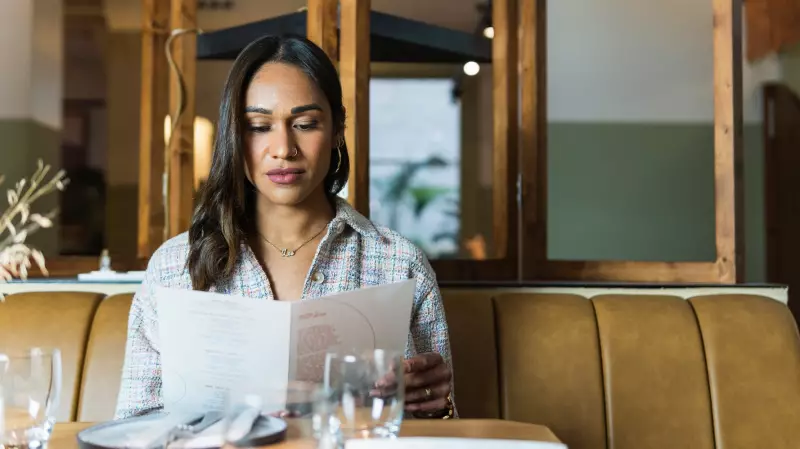
"It's that nagging feeling that makes you hesitate or downright freeze up when faced with a decision," explains life coach Tomas Svitorka. This can apply to anything from a restaurant menu to a major career move, all fueled by the relentless question: "What if there's something even better out there?"

McGinnis calls this an "affliction of abundance." Our on-demand culture presents a paralyzing array of possibilities, leading to overanalysis, procrastination, and a state of chronic indecision often called "analysis paralysis."
The Mental Health and Social Toll of Indecision
Experts warn that FOBO can inflict more damage than FOMO. "Unlike FOMO, which is largely an internal struggle... the costs of FOBO aren't just borne by you, they are also imposed on those around you," McGinnis notes. This pattern can alienate friends, family, and colleagues as people lose faith in the indecisive person's ability to ever commit.
Psychologist Patricia Dixon states that mentally, FOBO fuels anxiety and depression, preventing individuals from enjoying their present circumstances. It erodes self-trust and fosters chronic dissatisfaction.
Licensed marriage and family therapist Becky Stuempfig points to modern life's endless options—like dozens of toothbrush types or countless podcast episodes—as a key driver. This leads to decision fatigue, which becomes damaging when it halts progress on important life issues. Therapist Racine Henry adds that FOBO can be exacerbated by pre-existing anxiety, past trauma, or learned family behaviors.
The consequences are real: loss of opportunities, strained relationships, and physical symptoms like loss of sleep or appetite from constant stress.
Strategies to Combat FOBO and Reclaim Your Decisions
Overcoming FOBO requires a conscious shift in mindset. Dixon advises embracing the idea that your choice is the best for this moment, and viewing other options as merely different, not inherently better. She also highlights the role of social media in worsening FOBO through constant comparison.
Practical tips from the experts include:
- Assess Risk and Reversibility: Svitorka reminds us most decisions aren't permanent. "You might be surprised how often you can course-correct."
- Create Personal Rules: Set predetermined guidelines (e.g., "always choose the healthier option") to simplify choices aligned with your values.
- Trust Your Gut: Pay attention to your instinctual "pull" toward or away from an option.
- Use the Coin-Flip Trick: Flip a coin and notice your emotional reaction to the result—it often reveals what you truly want.
- Simplify and Accept Regret: Stuempfig suggests narrowing options to two or three and accepting that a small amount of regret is a normal part of deciding, not a sign of failure.
- Seek Support: For high-stakes decisions, consult a trusted odd number of people to break ties, or seek help from a mental health professional if anxiety is consuming.
Ultimately, the goal is to break free from the illusion of a perfect choice. As Stuempfig suggests, adopting a compassionate mantra like, "I am capable of making this choice and have the skills necessary to handle any possible outcome," can foster peace and decisive action in a world of endless options.