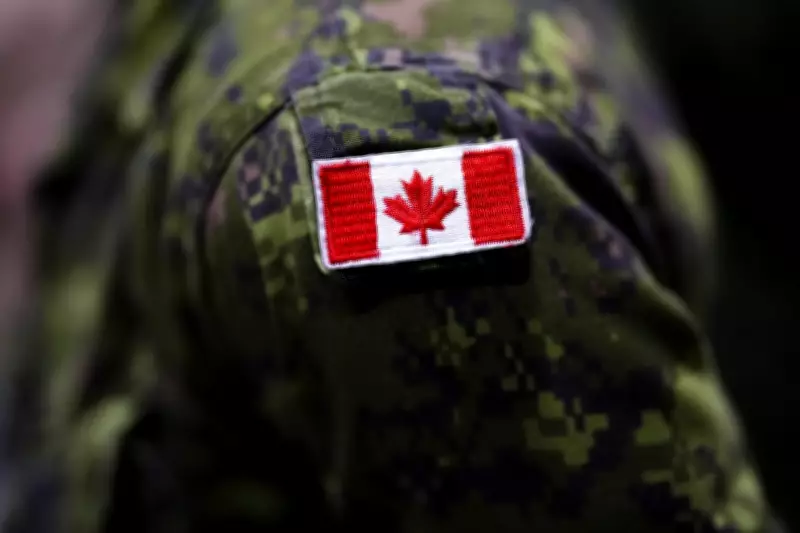
A new mental health initiative has been launched specifically to aid the spouses of Canadian veterans, a group often overlooked in traditional support frameworks. The program, developed by Wounded Warriors Canada, focuses on building resilience and providing essential psychological resources to partners who face unique challenges due to their loved ones' military service.
Addressing a Critical Gap in Veteran Care
Kathryn Linford, co-founder of the initiative, emphasized that while veterans receive various forms of assistance, their spouses frequently bear significant emotional burdens without adequate support. "Spouses are the backbone of many veteran families, yet their mental health needs are often sidelined," Linford stated. The program aims to fill this void by offering counseling, peer support groups, and educational workshops tailored to the specific stressors faced by these individuals.
Program Components and Goals
The spousal resiliency initiative includes several key components designed to foster well-being and community among participants. One-on-one therapy sessions are available to address issues such as anxiety, depression, and post-traumatic stress indirectly experienced through their partners. Additionally, group workshops will cover topics like communication strategies, financial planning, and self-care techniques.

Linford highlighted that the program's overarching goal is to enhance the overall stability of veteran households. "By supporting spouses, we're not just helping individuals; we're strengthening entire families and, by extension, the broader veteran community," she explained. The initiative also plans to collaborate with existing veteran services to ensure a holistic approach to care.
Broader Implications for Mental Health in Canada
This launch comes at a time when mental health awareness is increasingly prioritized across Canada, yet specific populations like military spouses remain underserved. Experts note that the unique pressures of military life—including frequent relocations, deployments, and the trauma associated with combat—can significantly impact family dynamics. Providing targeted support could mitigate long-term mental health issues and improve quality of life for these families.
The program is set to roll out nationwide, with initial phases focusing on regions with high concentrations of veteran families. Funding and resources have been allocated to ensure accessibility, including virtual options for those in remote areas. As Linford concluded, "This is a step toward recognizing and valuing the silent sacrifices made by spouses every day."