If you have ever considered revamping your skincare routine or starting fresh, Korean beauty products have likely crossed your mind. Dominating TikTok algorithms and beauty conversations, K-beauty has captured global attention for its innovative approaches and visible results.
The Philosophy Behind K-Beauty's Success
Dr. Alexandra Bowles, a board-certified dermatologist at MONA Dermatology, explains that K-beauty prioritizes skin health, barrier support, and prevention over quick fixes. "Many Korean skincare brands emphasize gentle, layered routines focused on hydration, calming inflammation, and long-term resilience," she notes. This alignment with dermatological recommendations has fueled its popularity, shifting away from harsh actives toward formulas suitable for sensitive skin.
Dr. Jenna Queller, founder of DermWorks, adds that K-beauty promotes the highly sought-after 'glass skin' aesthetic—characterized by hydrated, smooth, and luminous skin. "This ideal has spread widely across social media, creating a strong aspirational goal," she says.

Factors Driving K-Beauty's Viral Popularity
Innovation plays a key role, according to Bowles. "K-beauty brands often introduce new textures, delivery systems, and ingredients before they become mainstream elsewhere," she states. Social media amplifies this, making routines and results more visible and accessible.
Queller highlights that K-beauty combines accessible results with competitive price points. "Many products offer high efficacy at lower costs compared to traditional luxury brands, making advanced skincare available to a broader demographic," she explains.
Dr. Maya Thosani, medical director at Modern Dermatology, points out that products with international approval, like many in K-beauty, undergo expert vetting. "Dermatologists recognize that FDA-approved products outside the U.S. can be superior, especially with novel sunscreen ingredients offering broad-spectrum protection," she says.
Expert Advice: Personalize Your Routine
While K-beauty trends sweep screens and real life, Queller advises caution. "I approve of its hydration and gentle care philosophy, but consumers should adapt routines to their skin, not blindly follow trends," she warns. It is essential to research products to ensure they meet individual needs rather than just chasing viral sensations.
Top K-Beauty Products Recommended by Dermatologists
COSRX Snail Mucin Essence
Thosani praises this essence for its affordability and lightweight hydration, noting it has gone viral on social media and is well-tolerated globally. Queller adds that it contains 96% snail secretion filtrate, aiding in skin repair, deep hydration, and radiance. "It helps reduce redness and improve elasticity, making skin look plump and youthful," she says.
Beauty of Joseon Sunscreen
Thosani describes this as a viral hit that combines rice and probiotics, feeling non-greasy and touted for superior sun protection. She cautions that Korean versions were banned by the FDA last year due to non-approved UV filters, but U.S. FDA-approved versions are now available, though they lack the superior filters of Korean variants.
KAHI Multi Balm Stick
Thosani recommends these balms for travel-friendly hydration, applied around the eyes, face, and lips to achieve a 'glazed donut' appearance. They fit into viral habits of extensive skincare during long flights.
Baimei Gua Sha and Jade Roller Kit
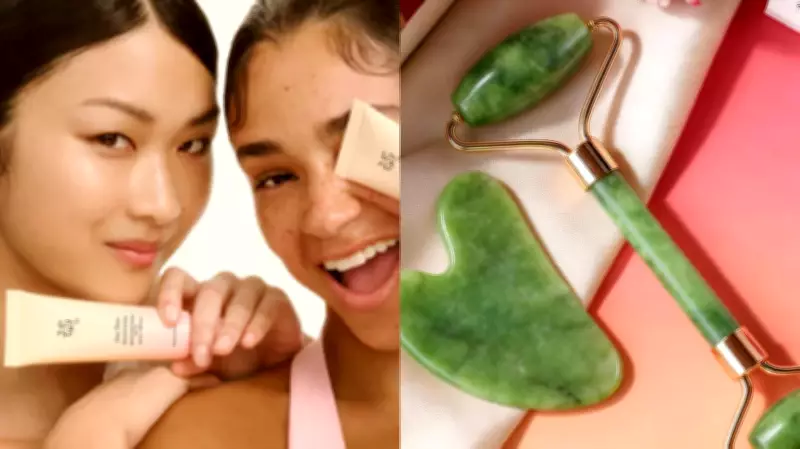
Thosani explains that gua sha and jade rolling, trends from Chinese medicine, have gone viral in K-beauty for creating a 'snatched' look, reducing puffiness, and improving tightness along the jawline through lymphatic massage.
Anua Heartleaf Cleansing Oil
Queller highlights this product for deep-cleaning pores and removing sebaceous filaments, often mistaken for blackheads. It dissolves makeup and impurities without clogging pores, thanks to heartleaf extract's anti-inflammatory and antibacterial properties.
JiYu Polishing Pads
Bowles notes that Centella asiatica-based products, like these pads, calm redness, strengthen the skin barrier, and reduce sensitivity. They contain niacinamide and snail mucin to create a clean, bright canvas for moisturizers and sunscreen.

Mixsoon Fermented Bean Essence
Bowles states that fermented ingredients in K-beauty improve absorption and deliver antioxidants efficiently. This essence blends fermented bean, barley, pomegranate, and Korean pear to exfoliate, hydrate, and promote a lit-from-within glow.
Illiyoon Ceramide Cream
Bowles points out that viral K-beauty products often focus on barrier repair and hydration, such as this ceramide-rich moisturizer. Its unscented formula provides up to 100 hours of hydration and is safe for babies' sensitive skin.
In summary, K-beauty's rise is driven by a focus on skin health, innovation, social media, and affordability. Dermatologists recommend personalizing routines and choosing products that address individual concerns, ensuring effective and safe skincare practices.