Montreal Pilot Project Offers Recovery Pathway for Unhoused Hospital Patients
A groundbreaking pilot project in Montreal is providing a crucial lifeline for unhoused individuals discharged from hospitals, offering them a stable environment to recover and rebuild their lives. The initiative, known as A Pathway to Recovery, is a collaborative effort between the health and social services agency for west-central Montreal and the YMCAs of Quebec.
Transitional Housing on Tupper Street
The program operates from a transitional residence on Tupper Street, which offers 48 private rooms to men and women experiencing homelessness after discharge from the Jewish General Hospital and Montreal General Hospital. Additionally, the project accepts referrals from intervention teams working with the unhoused population across the island. The residence provides not only shelter but also meals, medical follow-up, and community support, creating a comprehensive recovery framework.
"It's a place for people to reconnect to society," explained Marcel Landry, assistant to the director of the mental health and addiction department of the west-central CIUSSS. "They don't have to spend their day wondering where they will sleep tonight or where they'll eat."

Personal Stories of Transformation
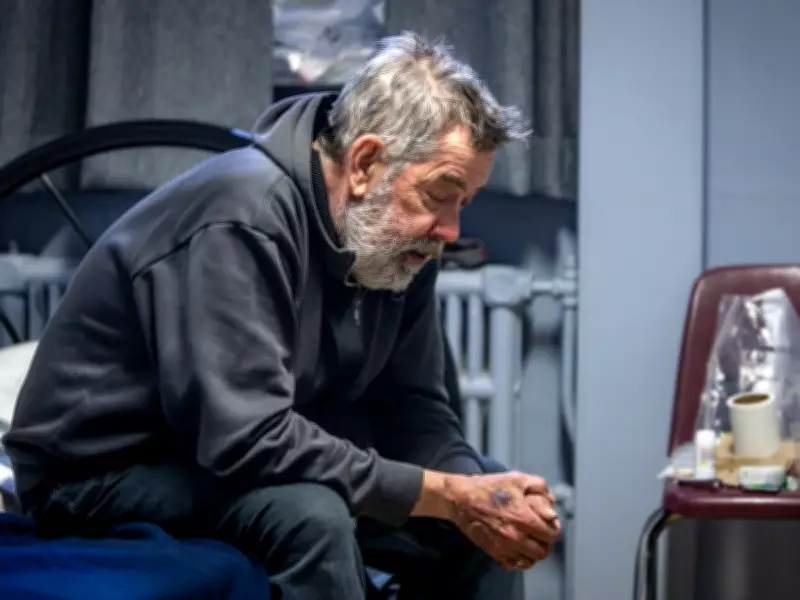
Leo McLean, 61, is one of the participants benefiting from this initiative. After experiencing bouts of homelessness for a decade following the death of his mother, McLean found himself living on the streets full-time while dealing with serious health issues that required a walker. Thanks to the pilot project, he now has a private room, his own shower, and access to necessary medical care.
"It's looking a lot better than it did," McLean said, reflecting on his improved prospects. "At least now I have resources and the resource people to help me in this. I'm not on my own."
McLean's journey highlights the program's impact. Previously a court bailiff who left his job to care for his ailing mother, his life unraveled after her passing. He had been sharing an apartment following multiple surgeries, but after his roommate died and the building was destroyed in a fire, he found himself without an address once again.
Addressing a Growing Crisis
The pilot project comes at a critical time as Montreal faces a rising homelessness crisis. Centraide's 2022 count found 4,690 people experiencing visible homelessness across the island, a one-third increase from 2018. Current estimates suggest the number may now be between 5,000 and 6,000.
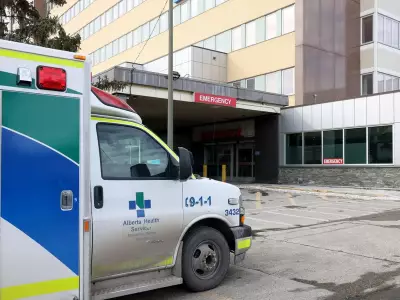
This increase is evident in hospital emergency rooms. The Jewish General Hospital reported seeing 339 unhoused people in its ER in 2024-25, more than double the 149 cases in 2022-23. While Landry emphasized that unhoused individuals aren't causing ER overcrowding, he noted that redirecting those who are sick but not in emergency situations could help alleviate pressure on the healthcare system.
Comprehensive Support Services
The Tupper Street residence offers more than just housing. It features an on-site nurse and social worker, with visiting teams providing follow-up care, psychosocial services, and accompaniment to off-site appointments. The program also assists residents in finding permanent housing, with six participants already preparing to sign apartment leases.
Isabel Gervais, a senior adviser for social exclusion prevention for the YMCAs of Quebec, observed that residents are "reconnecting with themselves" through the program. "A lot of people are reconnecting with their passions, things they love. We have someone who is rediscovering drawing. He's finding it really helpful to process his emotions."
Challenges of Street Life
Cally Ravn, a social worker who serves as an addictions and homelessness liaison at the Jewish General Hospital, has directed several unhoused patients to the Tupper Street program. She highlighted the immense challenges faced by those living on the streets, where basic survival takes precedence over long-term planning.
"A lot of times as a social worker, you talk to people who are like, 'I want to get my shit together. I can't. All I do is wait in line all day. And every time I start to get a leg up on things, somebody steals all my stuff,'" Ravn explained.

She described how even minor health issues become major problems without stable housing. "You're wearing a pair of donated shoes that are wet all the time and it's winter. So now you're walking everywhere you need to go, you have these gross wounds on your feet. Maybe you or I would wear a different pair of shoes and have a nice blister Band-Aid on. But they keep walking because they have no choice."
Future Uncertainties
The 12-week pilot project, which launched in January, is scheduled to end on March 31, after which it will undergo formal evaluation. However, Gervais expressed confidence in its effectiveness, stating, "We have a proof of concept with this pilot project. It's important that we did it and now we know it works."
Despite its success, the program's future remains uncertain. The Tupper Street building's primary purpose is to house asylum seekers under a federal program, and it only became available for the pilot project due to a temporary drop in asylum seeker numbers. The building could be reactivated for its original purpose with just 45 days' notice if asylum seeker numbers surge again.
For participants like McLean, the program represents a crucial stepping stone. "I appreciate this because I have my four walls. I have my own toilet," he said, noting that having his own key again means a great deal to him. "I'm old and Irish. Respect is earned. But these guys from Day 1, they respect me. And that's so appreciated."
As the project nears its end, McLean is looking forward to visiting apartments before March 31, though he acknowledges the challenges ahead. "Not every landlord is interested in renting to a welfare bum," he said frankly. "But anything beats living on the street. At times it's very lonely out there. It's tiring, it's stressful and honestly, at times it really pisses me off."
The pilot project, inspired by Edmonton's Bridge Healing program, demonstrates how transitional housing linked with healthcare and social services can create meaningful pathways out of homelessness for vulnerable populations.