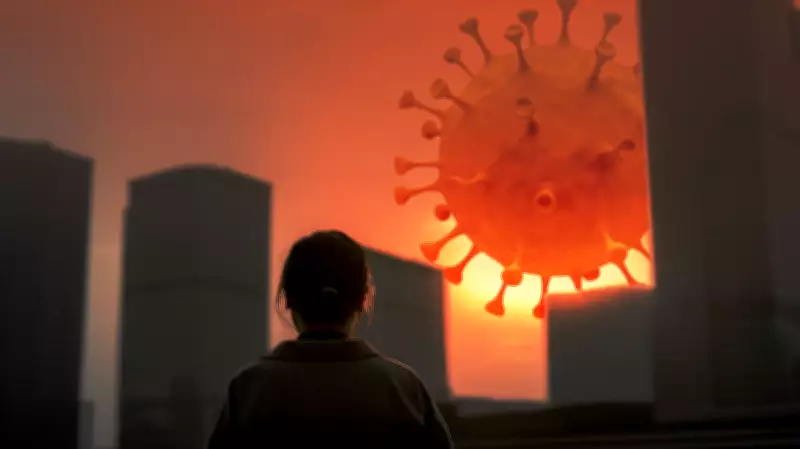
Six Years After COVID: Why Life Feels Worse and How to Heal
Longing for the pre-March 2020 era is a nearly universal sentiment as we approach the six-year mark of the COVID-19 pandemic. Many people find themselves grieving a state of existence they never had the chance to properly bid farewell to, often reminiscing about life feeling lighter in years like 2019, 2016, or even 2008. The pervasive question lingers: Is everything genuinely worse post-COVID, or are we viewing the past through rose-colored glasses?
The Psychological Impact of Collective Grief
Rebecca Moravec, a licensed professional counselor and trauma therapist based in Denver, emphasizes that while not everything is objectively worse, the perception of decline is real and warrants attention. "I don't think everything is objectively worse, but I do think that we feel worse and that we have to pay attention to that perception," she stated. For some, specific aspects of life may have deteriorated, while others might recall more dire circumstances a decade ago. However, the widespread feeling that something fundamental shifted during the pandemic has a psychological basis.
The pandemic brought immense tangible and intangible losses. The Centers for Disease Control and Prevention estimates nearly 850,000 American deaths during 2020 and 2021, a period marked by restricted hospital visits and canceled funerals. Ruth Ellingsen, a clinical associate professor at the University of Oregon, notes that the inability to engage in traditional mourning rituals led to prolonged, complicated, or traumatic grief reactions for many.
Beyond death, losses included jobs, time, safety, celebrations, and milestones. Paule-Veronique Gnapi, a clinical mental health therapist in Pennsylvania, explains, "Life feels worse because people are still recovering from the collective grief. Millions died worldwide, and even if you didn't lose anyone personally, you're still suffering from grief, because it isn't just about who you've lost, but what you've lost."
Trauma and Its Lingering Effects
The pandemic was a traumatic event for many, characterized by death, sickness, job loss, school closures, and fear. Gnapi defines trauma as anything that overwhelms our ability to cope, and the sudden onset of COVID-19 created overwhelming pressure to adapt to a destabilizing new reality. "Trauma can't tell time," she added. "Even though this happened six years ago, people are still recovering and still living life with this sense of 'I'm vulnerable, I don't feel safe.'"
This trauma has altered how we interact with others and perceive the world, fostering hyper-alertness to danger. In the early days, anxiety and depression surged globally by 25%, according to Ellingsen, with lingering effects due to housing insecurity, economic instability, social isolation, and sickness. Moravec points out that the pandemic lacked a clear end date, unlike typical traumas where closure is defined. "We experienced this prolonged collective trauma, and there wasn't a clear end," she explained, comparing it to a tiger chase that leaves lasting fear even after the threat diminishes.
Increased Isolation and Its Consequences
Remote work and virtual interactions, while convenient, have contributed to heightened isolation. Ellingsen observes that people have remained more isolated post-pandemic, aided by technology that facilitates staying home. "Life was just so different... I think probably the biggest aspect is this isolation aspect of COVID. People, to some extent, have just remained more isolated now than they were prior to COVID," she said. This isolation burdens mental health and fuels nostalgia for pre-pandemic social norms.
Moravec notes that our "window of tolerance" has shrunk, making us less willing to bend in relationships, which has fractured communities. Despite six years passing, the sense of vulnerability persists, as Gnapi reiterates, "Even though this happened six years ago, people are still recovering and still living life with this sense of 'I'm vulnerable, I don't feel safe.'"
Nostalgia for a Simpler Time
Pre-pandemic life often feels more stable in hindsight, even if that stability was illusory. Gnapi explains that life felt simpler before 2020, as it was easier to ignore mortality and vulnerability. Moravec adds that our brains associate that era with predictability and safety, making it seem more coherent retrospectively. "The trauma of 2020 disrupted our sense of continuity... I think our nervous systems long for the before time when the ground felt stable, even though that is a myth," she said.
It's crucial to remember that memory is selective, filtering out pre-existing issues like burnout and loneliness. "I think that it's just important to remember that memory is selective, and we do tend to filter out burnout and loneliness and systemic issues that were already in place," Moravec emphasized.
Strategies for Healing and Moving Forward
If life feels harder since 2020, you are not alone. Between losses, sickness, and trauma, it's natural to feel this way. While returning to pre-pandemic days is impossible, there are steps to foster improvement:
- Seek Therapy: If grappling with trauma, such as from long COVID or a death, professional help can aid processing.
- Self-Reflection: Check in with yourself to identify what you want and enjoy, then take action, like joining a class or club.
- Intentional Socializing: Make a conscious effort to engage with your community, as social interaction is vital for well-being.
- Nature Exposure: Spend time outdoors, as nature has proven benefits for mental health.
- Self-Compassion: Be kind to yourself, acknowledging that healing from a defining global event takes time. It's okay not to feel fully "back" yet.
Moravec concludes, "We've lived through something that has fundamentally changed everything. And it makes sense that you don't feel grounded yet." By addressing grief, trauma, and isolation, we can gradually rebuild a sense of stability and well-being in this post-pandemic world.