Sock Marks on Ankles: Decoding the Health Signals Behind Common Indentations
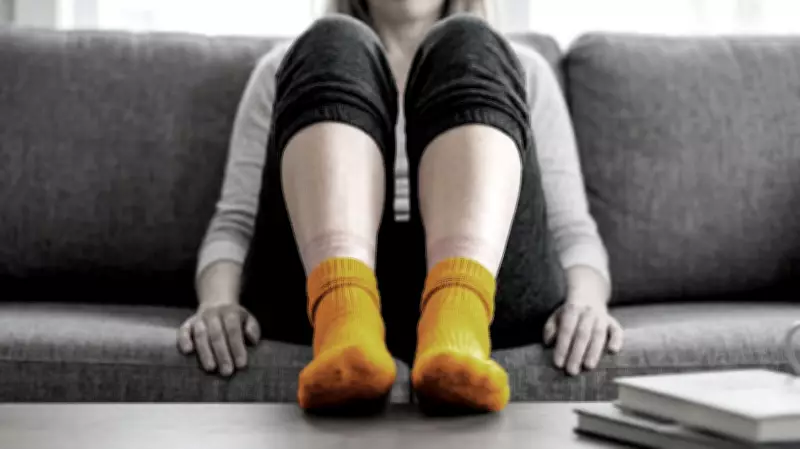
Those familiar indentations left on ankles and legs after wearing socks all day are more than just a minor annoyance for many people. While most individuals dismiss these lines as harmless, medical experts reveal they can offer valuable insights into one's health status. Typically, sock marks are not a cause for alarm, but they warrant attention when accompanied by specific concerning symptoms.
Common Causes of Sock Lines
According to vascular surgeon Dr. Katherine Teter of Hackensack University Medical Center in New Jersey, sock indentations are extremely common, particularly among people with sedentary jobs or those who stand for prolonged periods. "This is something that's quite common, especially in those of us who spend most of our day working on our feet, or working where we're sitting down for long periods of time," Teter explained.
Dr. Brintha Vasagar, a family physician based in Wisconsin, elaborated on the physiological mechanism: "Most of us have sedentary jobs, or we're standing all day. Blood's going to pool in our legs. It makes a lot of sense." Beyond posture-related causes, sock marks can stem from straightforward issues like overly tight socks or dehydration.

Vasagar noted that dehydration causes fluid to accumulate in the legs, leading to swelling and subsequent sock marks. Similarly, consuming salty meals can trigger temporary swelling in the legs, much like it affects fingers, according to Teter.
When Sock Marks Become Concerning
While most sock lines are benign, they can indicate underlying health problems when paired with additional symptoms. Doctors highlight several red flags:
- Persistent leg swelling regardless of sock wear
- Hyperpigmentation near the ankles
- Large varicose veins
- Heaviness, aching, or fatigue in the legs after standing that improves with elevation
"Those problems are usually not dangerous problems. However, we treat the veins when they're causing significant symptoms for patients," Teter clarified.
Particular attention should be paid to asymmetry. Vasagar emphasized: "Our body likes to be in balance. It likes to be symmetrical. So when one side is different than the other side, that's usually a sign that something is off." If sock marks appear only on one leg, are significantly worse on one side, or worsen over time, medical consultation is advised.
Potential Serious Conditions
In rare instances, progressively worsening sock indentations can signal serious health conditions. Vasagar explained that kidney disease or heart failure might manifest through deepening sock marks that persist longer over weeks and months.
With heart failure, additional symptoms typically accompany sock lines, including shortness of breath and difficulty lying flat during sleep. "Changes are always a signal to go talk to someone who has expertise," Vasagar stressed.
Contrary to common assumptions, sock marks rarely indicate circulation problems like blood clots. Teter clarified that blood clots typically present with substantial leg swelling, pain, and redness—symptoms that would prompt immediate medical evaluation and potentially an ultrasound.
Compression Socks and Prevention Strategies
For those experiencing sock marks without concerning symptoms, several practical approaches can minimize indentations. Compression socks—tight, tall socks designed to prevent fluid accumulation—are particularly beneficial for people who stand or sit for extended periods.
"I'm a physician. I wear compression socks most days of the week because I'm standing on my feet in the operating room for many hours a day, and even though my circulation is completely normal, my feet and my ankles feel much less heavy and tired at the end of a long day when I wear them," Teter shared.
Vasagar compared this to airline travel recommendations: "In the same way that when you're on an airplane, we say, 'You're gonna be sitting for a really long period of time, wear compression stockings, they'll help,' get up and walk every two hours, that will [also] help."
Additional preventive measures include:

- Elevating legs when possible
- Maintaining regular exercise
- Following a balanced diet low in sodium
- Staying adequately hydrated
If these strategies don't reduce persistent sock marks, Vasagar recommends consulting a healthcare provider: "That's not to say that automatically, we're saying, 'Oh, my gosh, it's heart failure,' but it is good to run through all of the other things that it could be and make sure it's not something more serious."
Ultimately, while sock marks are usually harmless, they serve as subtle indicators worth monitoring alongside other bodily changes.