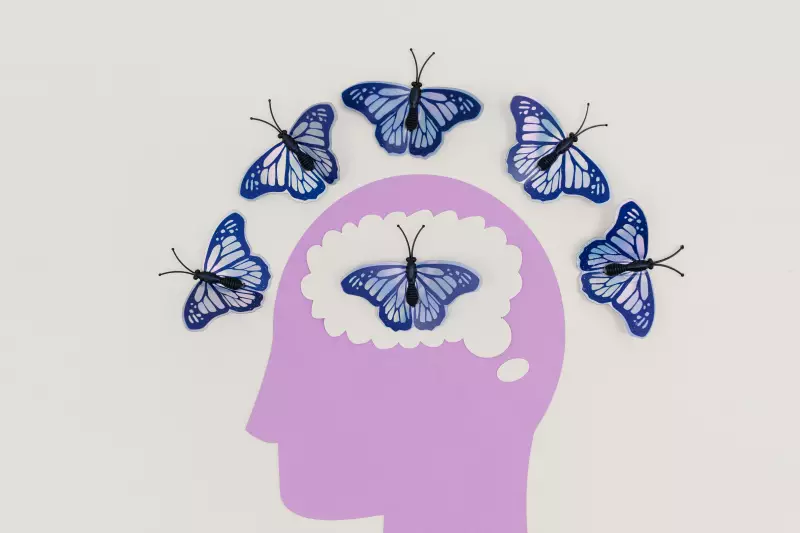
Living Without a Mind's Eye: One Man's Experience with Aphantasia
Toronto resident John Chew navigates daily life with a unique neurological condition that sets his experience of the world apart from most people. He lives with aphantasia, a condition that prevents him from forming visual images in his mind. While many people can close their eyes and picture loved ones' faces or imagine scenic landscapes, Chew's mind remains visually blank.
The condition was formally identified and named by neurologist Adam Zeman in 2015, though it has likely existed throughout human history. People with aphantasia typically have normal vision and can recognize people and objects, but they cannot voluntarily generate mental images. For Chew, this means he cannot visualize his own mother's face or recall visual details of places he's visited.
Understanding Aphantasia and Daily Life
John Chew describes his experience as thinking in concepts rather than pictures. "When I think about my apartment," he explains, "I know where everything is located, I can describe the layout, but I don't see it in my mind. It's more like a list of facts than a visual representation." This different way of processing information extends to reading books, where he focuses on the narrative and emotional content rather than visualizing scenes.

Research suggests that approximately 2-3% of the population may experience aphantasia to some degree. The condition exists on a spectrum, with some people having complete absence of visual imagery while others have limited or faint mental images. Chew discovered his condition was unusual only in adulthood when he realized other people could genuinely "see" things in their minds.
Embracing a Different Perspective
Despite the challenges, Chew has developed a positive outlook on his condition. "I'm happy with who I am," he states emphatically. "Aphantasia isn't a disability for me—it's just a different way of experiencing the world." He notes that his memory works exceptionally well for facts, numbers, and verbal information, which has served him well in his professional life.
Scientists continue to study aphantasia to better understand how it affects memory, creativity, and emotional processing. Some research indicates that people with the condition may have strengths in abstract thinking and problem-solving. Chew's experience aligns with these findings, as he finds he can concentrate deeply on complex tasks without visual distractions.
The growing awareness of aphantasia has helped create communities where people can share their experiences. For John Chew and others living with this condition, understanding that they're not alone has been empowering. His story highlights the diversity of human experience and challenges conventional assumptions about how we all perceive the world around us.