What is Aphantasia?
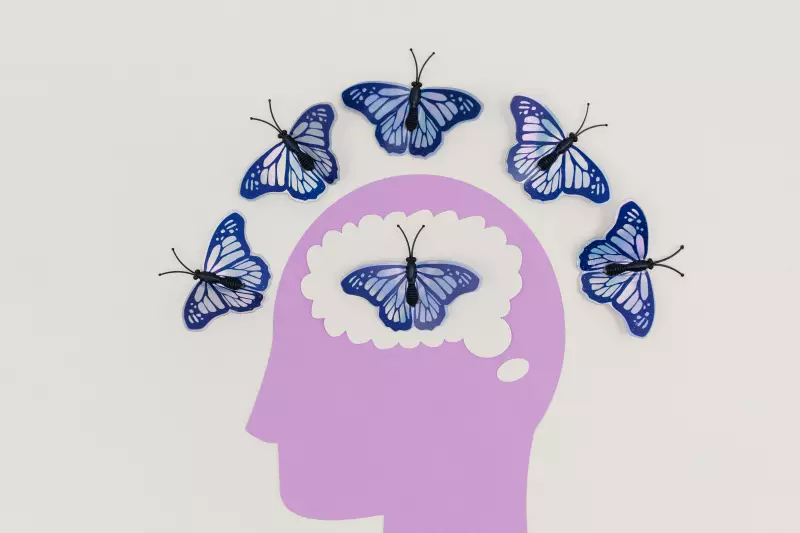
Aphantasia represents a fascinating neurological condition where individuals cannot voluntarily form visual images in their mind. For those living with this condition, the concept of "picturing" something mentally remains entirely abstract.
The Toronto Experience
Toronto resident John Chew provides a compelling firsthand account of living with aphantasia. His experience highlights how this condition affects daily life and perception in ways that many people might find difficult to comprehend.
The condition was first described scientifically in 2015, though many people have lived with it their entire lives without realizing their experience differed from others. For individuals like John, thinking about loved ones or recalling memories occurs without accompanying visual imagery.

Understanding the Spectrum of Mental Imagery
Research indicates that aphantasia exists on a spectrum, with some people experiencing complete absence of mental imagery while others have limited or faint visualization abilities. Studies suggest approximately 2-3% of the population may have this condition, though many remain undiagnosed.
Contrary to common assumptions, aphantasia doesn't necessarily impair creativity or memory. Many individuals with the condition excel in creative fields and develop alternative cognitive strategies to compensate for their lack of visual imagination.
The growing awareness of aphantasia helps reduce stigma and provides validation for those who previously felt their cognitive experience was unusual or deficient. As understanding increases, more people are discovering they share this unique way of processing information.