The Critical Link Between Diet and Brain Health
While many people focus on heart-healthy foods, the impact of diet on brain function is often overlooked. Scientific evidence increasingly shows that what we eat plays a pivotal role in maintaining cognitive vitality and preventing neurodegenerative diseases.
Dr. Robert Melillo, a brain researcher and founder of The Melillo Center in Long Island, New York, emphasizes, "The brain represents about 2% of our body weight but consumes approximately 20% of our calories. It uses more energy than any other organ, making dietary choices crucial for its performance."
Why Nutrition Matters for Mental Acuity
Dr. Brett Osborn, a board-certified neurosurgeon at St. Mary’s Medical Center in Jupiter, Florida, states, "Proper nutrition is the foundation for mental sharpness and vitality. Just as we exercise for physical health, nurturing our brains with the right foods is essential for a youthful and vibrant mind."

Although the exact causes of Alzheimer's disease remain unknown, diet and environmental factors are believed to be significant contributors. A 2022 study in the journal Neurology found that increasing flavonoid-rich foods can lower dementia risk.
Dr. Dale Bredesen, a neuroscience researcher, explains, "Alzheimer's is driven by reduced energetics—like blood flow and mitochondrial function—and increased inflammation from toxins or metabolic issues. Diet influences both, playing a key role in cognitive decline and treatment."
Environmental and Lifestyle Influences
Dr. Philip Gold, chief of neuroendocrine research at the National Institute of Mental Health, highlights positive factors: "Exercise, education, and lifelong cognitive engagement are vital. Adequate sleep is also critical, as it allows the brain to repair itself."
Conversely, poor dietary habits can harm both body and brain. Osborn warns, "An unhealthy diet may disrupt gut microbiota, leading to inflammation that affects the brain. Obesity, often linked to an unhealthy gut microbiome, increases Alzheimer's risk."
Top Foods for Optimal Brain Function
Experts identify several foods that significantly boost brain health through various mechanisms.
Avocado
Rich in healthy monounsaturated fats, avocados help reduce vascular disease and provide excellent brain energy without the drawbacks of simple carbs or saturated fats, according to Bredesen.
Broccoli
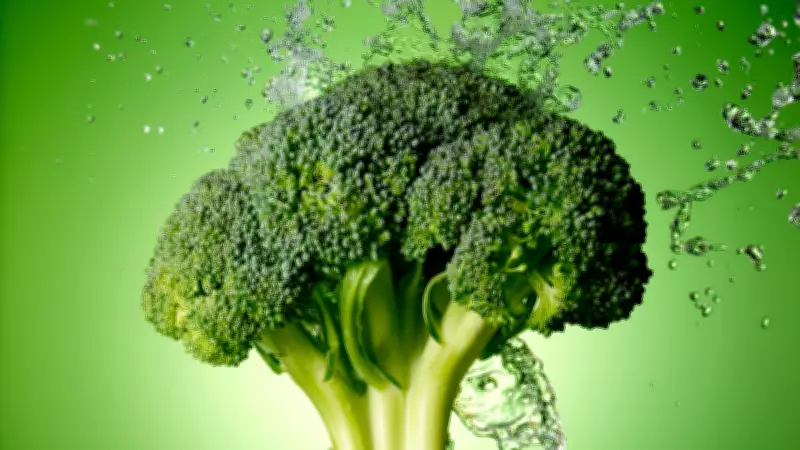
This cruciferous vegetable contains sulforaphane, linked to reduced inflammation and improved brain health. A 2019 study in Brain Circulation shows sulforaphane's antioxidant and anti-inflammatory properties protect the nervous system.
Blueberries
Packed with flavonoids, blueberries are neuroprotective and enhance neuroplasticity and cerebral blood flow. A 2022 study in Nutritional Neuroscience found they can improve processing speed in older adults, slowing cognitive decline. Their antioxidants, like anthocyanins, combat oxidative stress.
Eggs
Egg yolks are a top source of choline, essential for producing acetylcholine, a neurotransmitter critical for memory. Gold notes that acetylcholine levels are notably decreased in Alzheimer's disease.
Fatty Fish
Salmon, sardines, and mackerel provide omega-3 fatty acids, crucial for brain health, memory, mood regulation, and nerve cell protection, as noted by Osborn and Gold.
Leafy Greens
Spinach and kale are loaded with vitamins, minerals, and antioxidants that reduce inflammation and improve cognitive function. Magnesium in these greens helps relax the body and lower stress effects.
Tuna
This low-fat fish contains tyrosine, used to produce dopamine and norepinephrine, key neurotransmitters. It also has creatine, which prevents dehydration in brain cells.
Turmeric
Containing curcumin, turmeric has anti-inflammatory effects and binds to amyloid and tau proteins associated with Alzheimer's. A 2023 study in Molecules confirms its neuroprotective benefits.
Ginger
A potent anti-inflammatory, ginger enhances cognitive function and protects neurons from oxidative stress in diseases like Parkinson's and Alzheimer's.

Ginkgo Biloba
Known to improve blood flow and protect brain cells, ginkgo biloba may benefit age-related cognitive decline, according to research.
Fermented Foods
Kimchi, kefir, and yogurt support gut-brain communication through probiotics, potentially improving brain function and slowing age-related diseases.
Osborn concludes, "Foods that cultivate a healthy microbiome could act as medicines to remedy or delay brain-related illnesses."