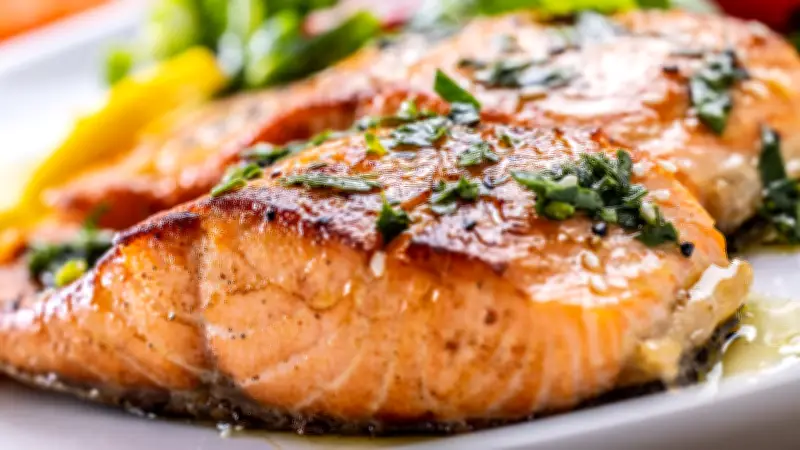
Salmon is widely celebrated for its health benefits, including omega-3 fatty acids, vitamin D, and protein. However, concerns about mercury and PCBs (polychlorinated biphenyls) raise the question: how much is too much? Dietitians clarify the risks, benefits, and safe consumption guidelines.
Health Benefits of Salmon
Janelle Connell, a registered dietitian nutritionist and senior translational science nutritionist at Viome, calls salmon a superfood due to its omega-3 fatty acids EPA and DHA. These help manage inflammation and support brain, heart, skin, and thyroid health, as well as fat metabolism. Salmon also contains astaxanthin, an antioxidant that protects cells from damage and reduces aging effects, plus protein and vitamins D and B12.
Katie Sanders, an accredited dietitian and nutritionist listed on Doctify, notes that salmon is one of the few foods naturally rich in vitamin D, which is crucial for bone, muscle, and immune health. She describes it as one of the most nutrient-dense foods, providing high-quality protein for muscle maintenance and minerals like iodine and selenium.

Concerns With Eating Too Much Salmon
Despite its benefits, salmon contains PCBs (carcinogenic pollutants), mercury, and dioxins. Connell explains that PCBs, banned in the U.S. in the 1970s, still contaminate food. However, salmon is relatively low in mercury compared to tuna, shark, and swordfish, making it less of a concern. Sanders emphasizes the importance of dietary variety, warning that relying too heavily on salmon may limit nutrient intake from other foods.
Signs of Overconsumption
Overconsumption symptoms are rare but possible with very large daily amounts over many months, says Connell. Signs of mercury sensitivity include fatigue, difficulty concentrating, headaches, and tingling. Sanders advises reviewing overall diet with a healthcare professional if salmon is consumed excessively, as it may reduce dietary variety and limit exposure to other nutrients. For most people, salmon is unlikely to cause noticeable symptoms.
Recommended Salmon Intake
Connell recommends two to three servings of fatty fish per week, ideally from diverse sources. “Having a diverse diet with a variety of plant foods and protein sources helps your gut microbiome flourish and supports overall health,” she explains. Sanders agrees, stating that enjoying salmon a few times a week as part of a varied diet provides more benefits than harm.
Wild-Caught vs. Farm-Raised Salmon
Dietitians highlight key differences: wild-caught salmon has lower PCBs, a better omega-3 to omega-6 ratio, is leaner, and has higher vitamin D. Farm-raised salmon has higher total omega-3s and more fat but may be treated with antibiotics, which can disrupt gut microbes. However, Sanders notes that contaminant levels in farmed salmon have improved due to better practices. “The exact nutrient content can vary considerably depending on the species, season, and farming practices,” she says, emphasizing that nutritional differences are often smaller than expected.
Alternatives for Similar Health Benefits
For omega-3s, alternatives include sardines, mackerel, herring, trout, anchovies, walnuts, chia seeds, flaxseeds, and hemp seeds. For vitamin D, eggs and fortified milk are good sources. Protein and vitamin B12 can be obtained from lean proteins, beans, lentils, eggs, and dairy. Sanders notes that oily fish remains the richest dietary source of long-chain omega-3s EPA and DHA. Affordable options include tinned salmon, sardines, or mackerel.
In conclusion, Connell states, “Salmon is as close to a universally beneficial food as our science has found.”