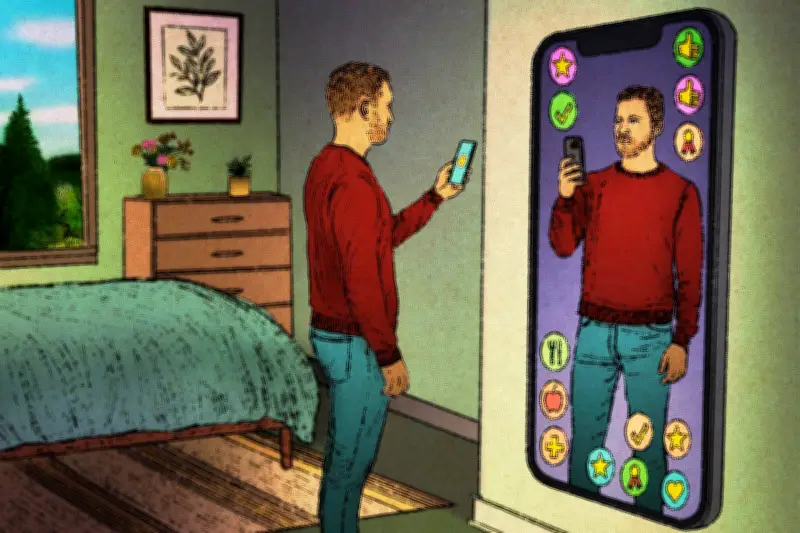
Nutrition apps that incorporate gaming elements can help users build healthy habits, but for some, these features carry significant risks, according to experts. The Associated Press reports that while such apps are popular for tracking food intake and exercise, the gamification—such as earning points, badges, or competing with friends—can trigger unhealthy behaviors in vulnerable individuals.
How gaming features can backfire
Gamification is designed to motivate users by making health goals fun and rewarding. However, research suggests that for people prone to disordered eating or obsessive behavior, these features may exacerbate problems. A 2023 study in the Journal of Eating Disorders found that 40% of users of nutrition apps with gaming elements reported increased anxiety about food choices. Dr. Sarah Jenkins, a psychologist at the University of Toronto, noted, 'The constant tracking and competition can turn eating into a performance, which is dangerous for those with or at risk of eating disorders.'
Popular apps under scrutiny
Apps like MyFitnessPal, Noom, and Lose It! have added streaks, leaderboards, and virtual rewards. While many users benefit, critics argue that the pressure to maintain streaks or outperform others can lead to extreme calorie restriction or over-exercise. The National Eating Disorders Association has flagged these features as potential triggers. 'We see a pattern where users become overly focused on numbers rather than overall well-being,' said spokesperson Mark Thompson.

Balancing motivation and risk
Developers are beginning to address concerns. Some apps now offer opt-out options for social features or warnings about healthy usage. 'We recognize that one size doesn't fit all,' said a spokesperson for MyFitnessPal. 'We're working on more customizable experiences.' Users are advised to monitor their emotional responses to app use and consult a professional if they notice signs of distress.