A federal judge in Newark, New Jersey, on Tuesday delivered a criminal sentence to OxyContin maker Purdue Pharma, clearing the final hurdle for a massive legal settlement that will dissolve the company and replace it with an entity focused on public health. The move ends years of litigation over the company's role in the opioid epidemic, which has been linked to over 900,000 deaths in the United States since 1999.
Judge's Decision Amid Emotional Testimony
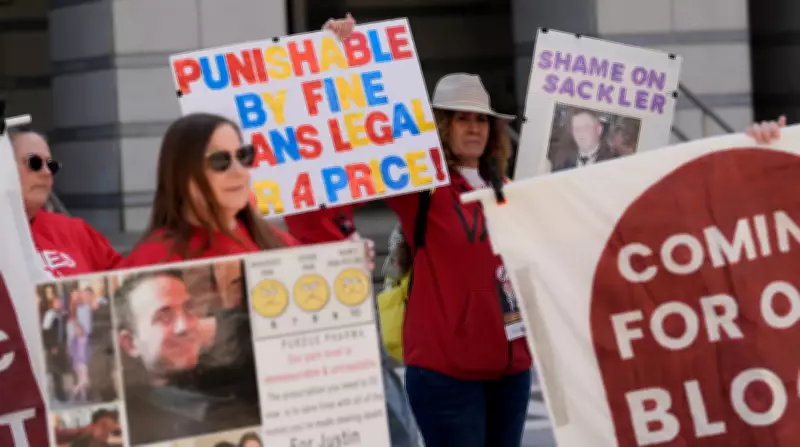
U.S. District Judge Madeline Cox Arleo made her ruling after listening to hours of impact statements from individuals who lost loved ones or struggled with addiction themselves. Many urged her to reject the negotiated sentence, but she ultimately approved it, though she expressed deep sympathy for victims. "It was a purposeful, intentional and sophisticated crime scheme," she said, referring to Purdue's actions.
Terms of the Settlement
Purdue, based in Stamford, Connecticut, reached a deal with the U.S. Department of Justice in 2020 to resolve criminal and civil investigations. The company admitted it lacked an effective program to prevent its powerful prescription painkillers from being diverted to the black market, despite telling the Drug Enforcement Administration otherwise. It also conceded that it paid doctors through a speakers program to prescribe the drugs and paid an electronic medical records company to send physicians information encouraging more opioid prescriptions.

The guilty plea and civil settlement include $8.3 billion in forfeitures, fines, and penalties. However, under a negotiated agreement, the federal government will collect only $225 million, contingent on Purdue reaching a separate settlement with thousands of state, local, and tribal governments, as well as other groups. The broader settlement, approved by a bankruptcy judge in November, does not include restitution to victims but provides for payments to individuals who can prove harm.
Impact on Victims
During the hearing, victims shared harrowing stories. Alexis Pluis, a mother from upstate New York who lost her son to opioids in 2014, expressed frustration that she may not receive compensation because she cannot locate 23-year-old medical records. "We still deserve justice," she said. "And this isn't it." Judge Arleo, visibly moved, kept photos of victims in her chambers and criticized the federal government for approving OxyContin and failing to detect warning signs. She also noted the irony of sentencing drug dealers for selling OxyContin while those who started the epidemic face no prison time.
Sackler Family Contributions
The settlement requires members of the Sackler family, who own Purdue, to contribute up to $7 billion over 15 years. Most of these funds will go to government entities to combat the opioid crisis. Judge Arleo questioned why the family could pay over such a long period, suggesting they preferred to pay from future income rather than liquidate assets now. The family received approximately $10.7 billion from Purdue between 2008 and 2018, though they claim nearly half was used for taxes.
New Company and Transparency
Under the settlement, Purdue will cease to exist and be replaced by a new company, Knoa Pharma, whose board will be appointed by states and tasked with addressing the opioid crisis. Millions of internal Purdue documents will be made public. Payments to individual victims are expected to range from $8,000 to $16,000, though some may face challenges proving their claims. Judge Arleo instructed Purdue's bankruptcy lawyers to ensure alternative methods for demonstrating harm.
The Purdue settlement is among the largest in a series of opioid-related agreements with drugmakers, wholesalers, and pharmacies, collectively worth over $50 billion. Most of this money is designated for overdose prevention and treatment. The Sackler family will be shielded from future opioid lawsuits by entities that agree to the settlement terms.