Saskatoon Community Mobilizes with Naloxone Training Amid Overdose Crisis
In response to a distressing surge of more than 300 overdoses recorded in Saskatoon between April 1 and 19, 2026, community organizations are stepping up efforts to provide life-saving naloxone training to residents. Maryellen Gibson, a board director at Station 20 West, has been leading free drop-in sessions to educate the public on administering naloxone, a critical drug used to reverse opioid overdoses.
Training Sessions Offer Accessible Education
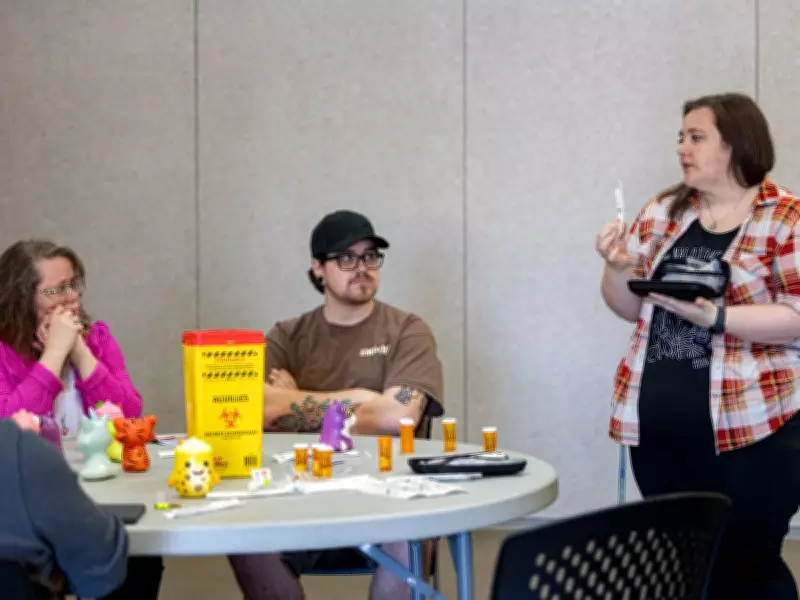
Gibson held training sessions on April 16 and 21 at Station 20 West, where naloxone kits are readily available on-site. She emphasized that the sessions, which take only about 15 minutes, are designed to create a non-judgmental and open environment for participants. "We want to provide a space for people to come by, get kits, and get trained. We hope to answer any questions they have about naloxone or what's happening in the community," Gibson stated.
The initiative builds on previous efforts from last year when Saskatoon experienced 509 overdoses in March alone, prompting intervention from the Saskatchewan Public Safety Agency. Gibson reported strong turnout at the recent sessions, noting that attendees include a diverse range of individuals:

- People who use drugs or know someone who does
- Residents and workers from core communities
- Concerned citizens from across the city
"The reality is that overdoses can happen to anyone," Gibson highlighted, underscoring the universal relevance of this training.
Impact of Service Closures on Overdose Response
The closure of Prairie Harm Reduction (PHR) at the end of March has exacerbated the crisis. PHR was Saskatchewan's only supervised consumption site, offering vital services like drug testing and overdose response. Since its shutdown, the Saskatoon Fire Department (SFD) has reported an increase in overdose-related calls, straining resources and affecting staff well-being.
Fire Chief Doug Wegren commented, "The SFD is closely monitoring the additional pressure these calls place on service capacity and remains strongly focused on staff well-being." This situation underscores the heightened need for community-based interventions like naloxone training.
Expanding Access and Awareness
Gibson expressed openness to adding more training sessions based on demand and encouraged community organizations or businesses to reach out for booked sessions. "We are very open to making those connections," she said, aiming to broaden the reach of this crucial education.
Notably, the training also addresses broader safety concerns, as naloxone can be used on dogs that accidentally ingest opioids. Additionally, with one in ten Canadian households having an opioid prescription, the potential for accidental overdoses extends beyond illicit drug use.
Medavie Health Services West emphasized the importance of community training, pointing out that bystanders often administer naloxone before paramedics arrive, leading to quicker patient improvement. This highlights how empowering residents with knowledge can save lives and alleviate pressure on emergency services.
As Saskatoon grapples with this ongoing public health challenge, these training sessions represent a proactive step toward fostering a safer, more prepared community in the face of the opioid crisis.