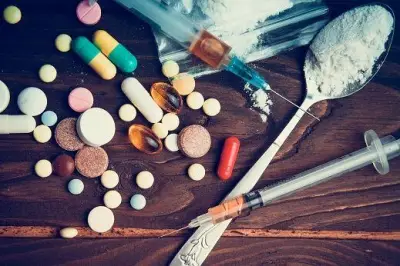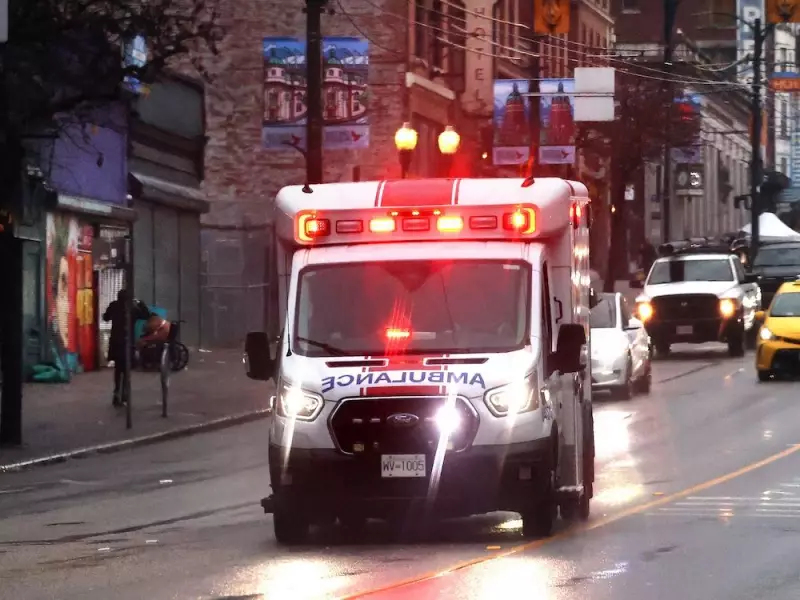
British Columbia Premier David Eby has publicly admitted that his government's approach to drug decriminalization was "wrong," yet he remains unwilling to terminate a policy critics label a deadly social experiment. This admission comes in the wake of a devastating milestone: BC Emergency Health Services reported the highest number of drug overdoses in a single day in Vancouver on November 27, 2025.
A Flawed Experiment from the Start
For years, British Columbia has struggled with a spiraling public health crisis of drug-related deaths. In 2023, Premier Eby's NDP government secured a three-year trial from the federal government, decriminalizing possession of small amounts of illicit drugs. The intent was to reduce stigma and treat addiction as a health issue, not a criminal one.
However, the rollout was widely criticized as reckless. Public spaces, including parks, quickly transformed into open drug-use areas, littered with needles and paraphernalia. This created significant hazards for the general public, particularly families and children.

Rollbacks and Rising Chaos
Facing intense public backlash, the B.C. government was forced to backtrack. Just nine months into the experiment, it asked Ottawa to amend the agreement to ban drug possession at playgrounds, spray pools, wading pools, and skate parks. Federal Mental Health and Addictions Minister Ya'ara Saks stated that everyone, especially children, should feel safe in their communities.
The situation continued to deteriorate. The healthcare system bore a significant brunt of the consequences. A leaked memo revealed that nurses in one B.C. health district were instructed not to confiscate drugs or weapons from patients. Reports emerged of drug dealers operating openly within hospitals, with one nurse describing the scene as "insanity."
Law enforcement also expressed frustration. Vancouver Police Deputy Chief Fiona Wilson told a House of Commons health committee that police were often powerless. She illustrated the problem with a stark example: if a family is at the beach and someone beside them is smoking crack cocaine, it is no longer a police matter under the decriminalization rules.
Mounting Pressure and a Reluctant Premier
The outcry grew louder. In April 2024, three Metro Vancouver city councillors issued a joint statement declaring, "Legalizing deadly drugs has killed users, hurt neighbourhoods, and damaged B.C. communities." This pressure led to another major reversal in May 2024, when the federal government agreed to a B.C. request to recriminalize drug use in all public spaces.
This cycle of decriminalization and recriminalization revealed a policy launched without adequate safeguards or consideration for broader public safety. Even traditional supporters of decriminalization, like the B.C. Civil Liberties Association, criticized the government's haphazard approach, saying it caused widespread confusion about legal rights and limits.
Throughout this period, the province's tragic toll of drug toxicity deaths has continued to climb, despite a recent minor decline. Premier Eby now acknowledges the policy was a mistake but has stopped short of ending the three-year trial entirely, leaving many British Columbians questioning the future of drug policy in the province.