In a significant policy shift, the City of Sudbury is now permitting the use of burn barrels at a local homeless encampment. This decision comes directly in response to a recent and tragic tent fire that claimed a life at the Energy Court encampment.
A Response to Tragedy
The change in protocol was implemented after a fatal fire erupted within a tent at the Energy Court site. The exact cause of that blaze remains under investigation, but it highlighted the extreme dangers faced by residents using makeshift heating methods during the harsh Northern Ontario winter. The new allowance for burn barrels is seen as a pragmatic, though temporary, safety measure to provide a more controlled heat source.
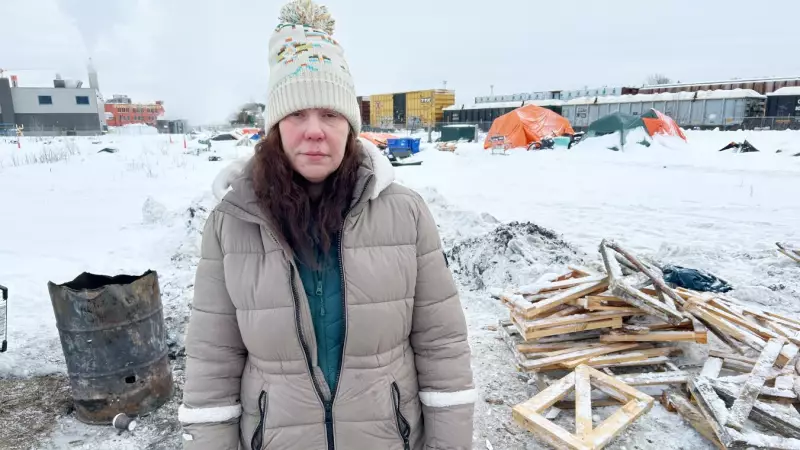
On Friday, January 16, 2026, resident Marielle Lemieux was photographed using one of the newly sanctioned barrels to keep warm. The image underscores the immediate need for solutions that address the survival realities of those living outdoors. The city's move acknowledges that while encampments are not an ideal long-term solution, the safety of their inhabitants cannot be ignored.

Balancing Safety and Regulation
This decision represents a complex balancing act for municipal authorities. Typically, open burning in urban areas is heavily restricted or banned due to fire hazards and air quality concerns. However, the immediate risk of hypothermia and the proven danger of indoor, unventilated heating sources in tents have forced a reevaluation.
The fatal tent fire served as a catalyst for this interim policy. Officials are likely operating under the principle of harm reduction, recognizing that a supervised, contained barrel fire presents a lesser risk than alternatives like propane heaters or open flames inside flammable shelters. The barrels are intended to be managed under specific guidelines to minimize the risk of spreading.
Ongoing Challenges and Community Context
The situation in Sudbury reflects a broader national crisis of homelessness and housing insecurity. The allowance of burn barrels is a stark indicator of the severity of the problem, especially in colder climates. It is a stopgap measure that does not solve the underlying issues of affordable housing and support services, but it is a direct attempt to prevent further loss of life in the short term.
Community reactions are mixed, with some expressing concern over the normalization of encampments and potential safety hazards, while advocates emphasize the humanitarian necessity. The city's action places it among a growing number of Canadian municipalities grappling with how to apply regulations compassionately in the face of a humanitarian emergency.
The policy will undoubtedly be monitored closely. Its success will be measured by the absence of further fire-related tragedies at the Energy Court encampment this winter. The long-term goal, as stressed by all parties, remains finding permanent, indoor housing solutions for every resident currently forced to live outside.