The Canadian government has issued an updated travel advisory for China, warning travelers about the increased risk of contracting chikungunya virus from mosquito bites. The announcement came on November 18, 2025, as health officials monitor the spread of mosquito-borne illnesses in various regions.
What Travelers Need to Know
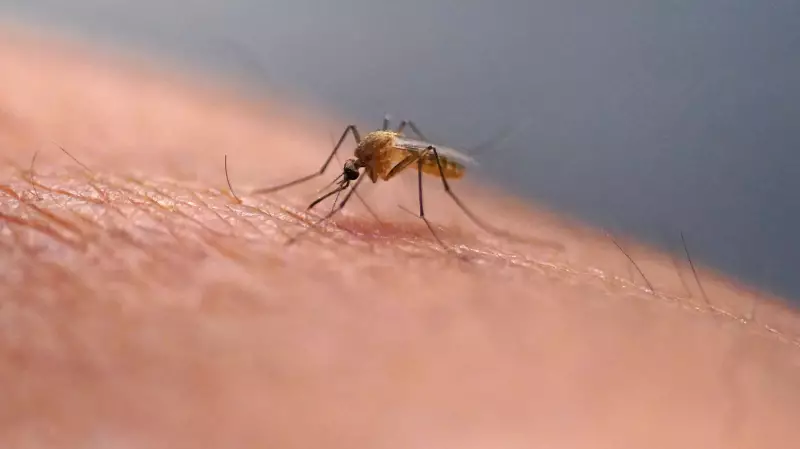
The updated advisory specifically highlights chikungunya as a growing concern for Canadians planning trips to China. This viral disease is transmitted to humans through the bite of infected mosquitoes, primarily the Aedes aegypti and Aedes albopictus species. Health authorities note that these same mosquito types can also carry other dangerous viruses including dengue, yellow fever, and Zika.
The timing of this advisory coincides with peak mosquito season in many parts of China, raising concerns about potential outbreaks. Canadian health officials are urging travelers to take extra precautions when visiting affected areas, particularly those with known mosquito infestation problems.

Health Precautions and Protection Measures
Travel medicine specialists recommend several key protective measures for Canadians visiting regions with chikungunya risk. Using EPA-registered insect repellents containing DEET, picaridin, or oil of lemon eucalyptus provides the most effective protection against mosquito bites. Wearing long-sleeved shirts and long pants, especially during dawn and dusk when mosquitoes are most active, can significantly reduce exposure.
Accommodation choices also play a crucial role in prevention. Health experts advise selecting hotels or lodging with proper window screens and air conditioning to minimize mosquito entry. Sleeping under mosquito nets provides additional protection, particularly in areas with high mosquito density.
Symptoms and Medical Response
Chikungunya virus infection typically causes symptoms within 3-7 days after being bitten by an infected mosquito. The most common symptoms include sudden onset of high fever and severe joint pain, often accompanied by headache, muscle pain, joint swelling, or rash. While most patients recover fully, joint pain can sometimes persist for months or even years.
Canadian health authorities emphasize that travelers who develop symptoms during or after their trip should seek medical attention immediately and inform healthcare providers about their recent travel history. There is no specific antiviral treatment for chikungunya, so medical care focuses on relieving symptoms with rest, fluids, and medications to reduce fever and pain.
The updated travel advisory reflects Canada's ongoing commitment to protecting its citizens abroad through timely health information and precautionary guidance. Travelers are encouraged to check the official Government of Canada travel advisory website for the latest updates before planning international trips.