Major Canadian airlines are reassuring passengers about the safety of water on their flights following a recent U.S. study that raised concerns about water quality on many American carriers.
Study Prompts Traveler Warnings
The 2026 Airline Water Study, conducted by the Center for Food as Medicine & Longevity, analyzed water from flights operated by 10 major and 11 regional U.S. airlines between October 2022 and September 2025. The findings, released in late December, led researchers to issue a stark warning to travelers.
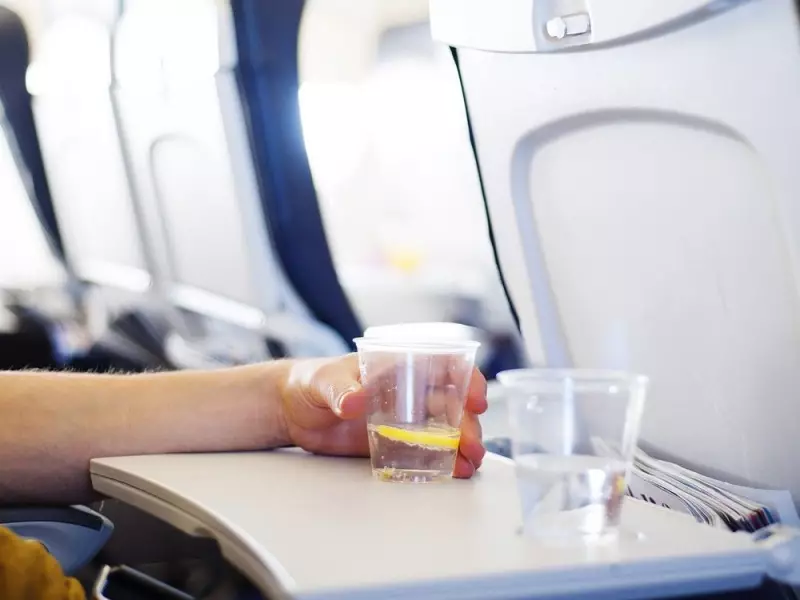
Dr. Charles Platkin, the study's author and executive director of the center, advised passengers to "never drink any water onboard that isn’t in a sealed bottle" and to avoid coffee or tea made with aircraft water. The study also recommended using alcohol-based sanitizer instead of washing hands in airplane lavatories.

The research graded airlines on a five-point scale with a letter grade, assessing factors like the presence of coliform bacteria or E. coli and the frequency of disinfecting aircraft water tanks. Coliform can indicate potential fecal contamination or inadequate disinfection. Grades of A or B were deemed to signify relatively safe, clean water.
Canadian Carriers Affirm Safety Standards
In response to inquiries from the National Post, several of Canada's major airlines stated they adhere to strict water safety protocols, aiming to distinguish their practices from those highlighted in the U.S. report.
Air Canada, Flair Airlines, and Air Transat each confirmed they follow established water safety guidelines. WestJet did not provide an immediate response to the request for comment.
The airlines' statements suggest passengers on Canadian flights can be confident in the water used for beverages and hygiene onboard.
Underlying Concerns and Industry Response
The study explains that airplane drinking water is stored in onboard tanks and distributed through plumbing systems to galleys and lavatories. These systems can be susceptible to stagnation, temperature fluctuations, and complex maintenance, all of which may increase the risk of microbial contamination.
Dr. Platkin noted that airlines often cite compliance with U.S. Environmental Protection Agency (EPA) guidelines. However, he emphasized that the data is self-reported by the airlines, and enforcement relies on their accurate reporting and follow-through.
"Compliance should be the floor, not the ceiling," Platkin told the National Post. He argued the study examines whether airlines are doing enough to protect passengers, which includes allowing them to drink coffee or tea without hesitation and wash their hands with confidence.
In the U.S. study, the highest-scoring major airlines were Delta Air Lines and Frontier Airlines, both receiving a Grade A.