The CBC's flagship investigative program Fifth Estate is facing significant criticism following the release of its documentary on Canada's safer supply programs. According to National Post columnist Adam Zivo, the 43-minute film serves as propaganda for the harm reduction movement rather than balanced journalism.
What is safer supply and why is it controversial?
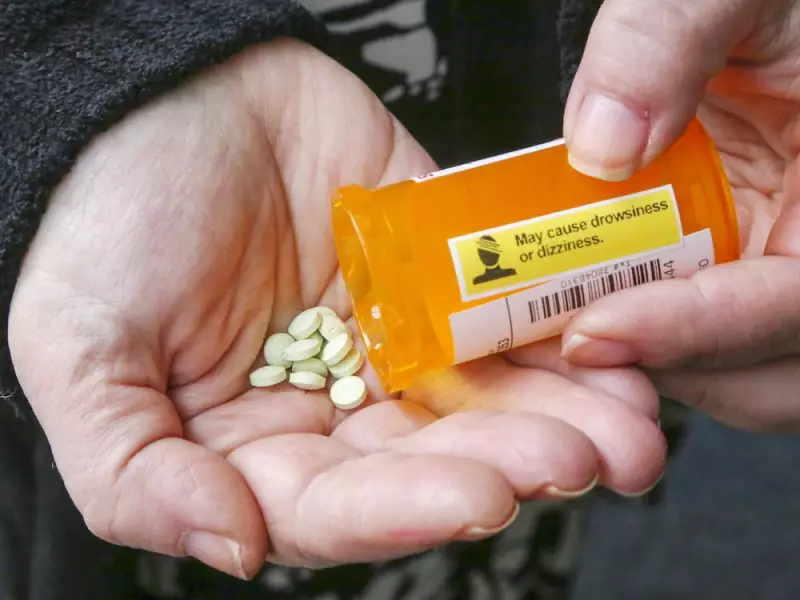
Safer supply refers to government-funded programs that provide free pharmaceutical-grade drugs to addicts, aiming to reduce their reliance on dangerous illicit substances. These programs typically distribute hydromorphone, an opioid with strength comparable to heroin, though some initiatives have expanded to include fentanyl and other powerful drugs.
The controversy intensified earlier this year when the federal government quietly defunded its safer supply pilot programs. This decision followed multiple media investigations, ministerial reviews, and police operations that revealed a troubling pattern: patients were reselling significant quantities of their prescribed hydromorphone to purchase illicit fentanyl.

CBC's documentary under scrutiny
The Fifth Estate's documentary, titled "The political war on safe drugs," advocated for reinstating funding to safer supply programs. Zivo argues that the program presented a overwhelmingly one-sided perspective, framing safer supply as an evidence-based policy while characterizing Conservative opposition as politically motivated and scientifically ignorant.
Most concerning, according to critics, is the documentary's exclusion of experts who oppose current safer supply implementations. Over the past two years, dozens of addiction doctors—many holding leadership positions in their field—have published open letters calling for reforms or abolition of safer supply programs. Their voices were completely absent from the CBC's coverage.
Missing perspectives and consequences
The documentary also failed to include individuals harmed by diverted safer supply medications or any critical civil society representatives. Independent B.C. MLA Elenore Sturko, a prominent safer supply critic, revealed that while CBC contacted her for background information, the program declined to interview her for the documentary.
Instead, the film primarily featured addicts, progressive activists, and harm reduction advocates, including some architects of safer supply programs. This approach created what critics call a factually inaccurate narrative about why federal funding was cancelled.
Zivo notes that until recently, many harm reduction advocates dismissed reports of widespread safer supply diversion as misinformation, while some downplayed its significance. Meanwhile, addiction physicians often feared speaking out due to concerns about professional consequences and activist harassment.
The situation raises important questions about journalistic balance at Canada's public broadcaster and whether the CBC is fulfilling its mandate to provide comprehensive, unbiased coverage of contentious public health policies.