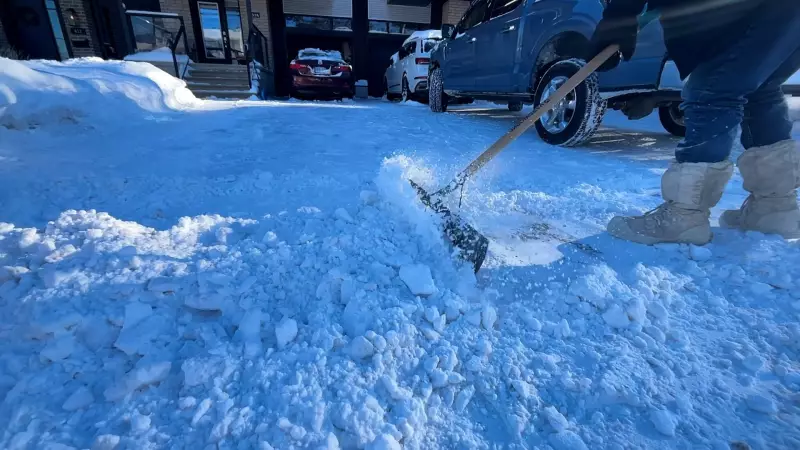
As winter tightens its grip on the nation, a familiar Canadian ritual returns to driveways and sidewalks: the annual battle with the snow shovel. However, health experts are issuing a stark warning that this common chore carries significant, and sometimes fatal, health risks that many residents underestimate.
The Hidden Dangers in Your Driveway
Shovelling heavy, wet snow is a strenuous activity that combines intense isometric exercise with exposure to cold air. This combination can dramatically increase blood pressure and heart rate while constricting blood vessels. For individuals with underlying or undiagnosed heart conditions, this perfect storm can trigger cardiac events. Experts emphasize that the risks are particularly high for those who are sedentary, over the age of 45, or have a history of heart problems. The sudden exertion is often compared to an intense, unplanned workout for which most people are not physically prepared.
The dangers extend beyond heart health. The repetitive lifting and twisting motions pose a serious threat to the back and shoulders, frequently leading to muscle strains, ligament sprains, and even herniated discs. Slips and falls on icy surfaces add the risk of fractures and head injuries to the list of potential hazards associated with clearing snow.

Essential Safety Strategies for Snow Removal
To mitigate these risks, health and fitness professionals recommend a proactive approach to snow clearing. The first line of defence is knowing your limits and considering alternatives. If you have any history of heart trouble or lead a largely inactive lifestyle, it is strongly advised to hire a service or ask a neighbour or family member for help. For those who are cleared to shovel, preparation is key.
Treat shovelling like any other workout. Start with a brief warm-up indoors to get your blood flowing. Dress in layers to regulate body temperature and protect against hypothermia. When you begin, use a proper technique: push the snow rather than lifting it whenever possible. When lifting is unavoidable, bend at the knees, keep your back straight, and avoid twisting your torso. Instead, pivot your feet to turn.
Practical Tips for a Safer Season
Adopting a few simple habits can make a substantial difference in safety. Experts recommend the following actionable steps:
- Choose the right tool: Use a lightweight, ergonomic shovel with a curved handle to reduce back strain.
- Shovel frequently: Clear snow after every few centimetres of accumulation rather than waiting for the storm to end, preventing heavy, packed loads.
- Pace yourself: Take frequent breaks every 10-15 minutes. Listen to your body and stop immediately if you feel chest pain, dizziness, shortness of breath, or excessive sweating.
- Stay hydrated: Drink water before, during, and after shovelling, as cold air can be deceptively dehydrating.
- Timing matters: Avoid shovelling immediately after waking up, as heart attack risk is higher in the morning, and never shovel right after a big meal or while consuming alcohol.
By understanding the serious health implications and implementing these safety measures, Canadians can better protect themselves during the winter months. The key takeaway is to respect the physical demand of shovelling and never hesitate to seek assistance. A cleared walkway is not worth a trip to the emergency room. Staying informed and cautious ensures that you can enjoy the winter season safely, without becoming another statistic in seasonal injury reports.