Health Authorities Release Vital Safety Protocols for Food and Water During Flooding Events
As flood risks escalate with seasonal changes, the Simcoe Muskoka District Health Unit has issued comprehensive guidelines to safeguard food and drinking water from contamination. These critical recommendations aim to prevent health hazards during emergency situations when water levels rise dramatically.
Essential Steps to Protect Drinking Water Supplies
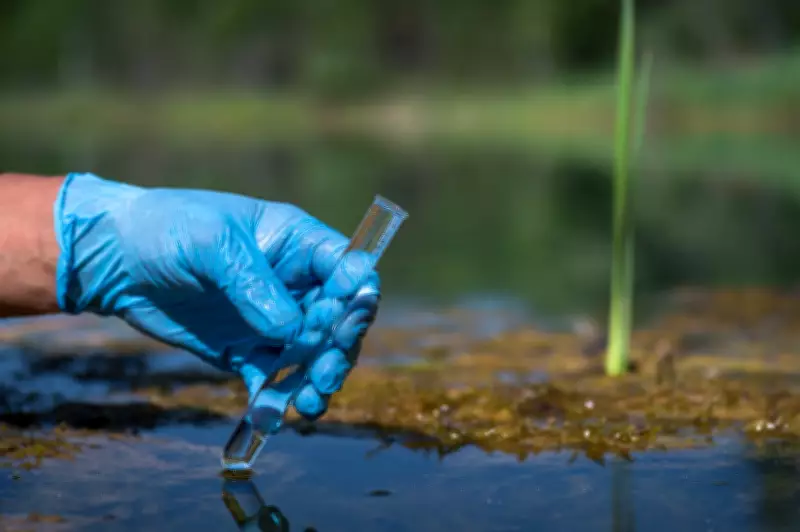
Health officials emphasize that drinking water safety becomes paramount during floods. Municipal water systems may become compromised, while private wells are particularly vulnerable to surface water infiltration carrying harmful pathogens. Residents are advised to use bottled water for drinking and cooking if any doubt exists about water quality. For those relying on well water, testing is strongly recommended following flood events to detect bacterial or chemical contamination.
If boiling water becomes necessary, health authorities specify bringing water to a rolling boil for at least one minute to eliminate dangerous microorganisms. Water purification tablets or filters designed to remove bacteria and parasites offer alternative solutions when boiling isn't feasible. The Health Unit warns against using floodwater for any domestic purpose, as it frequently contains sewage, agricultural runoff, and industrial pollutants.

Comprehensive Food Safety Measures During Flood Emergencies
Food supplies require meticulous protection when flooding occurs. Perishable items that have contacted floodwaters must be discarded immediately, including meats, dairy products, eggs, fruits, and vegetables. Canned goods may be salvaged only if the containers remain intact without bulging, denting, or leaking, after thorough cleaning and disinfection of exterior surfaces.
Refrigerated and frozen foods become hazardous when power outages exceed specific timeframes. Health guidelines indicate refrigerated foods should be discarded if kept above 4°C for more than two hours, while frozen items that have partially thawed should not be refrozen. Non-perishable items in waterproof containers generally remain safe if properly sealed and undamaged.
Key preventive actions include:- Elevating food supplies above anticipated flood levels before emergencies occur
- Maintaining adequate refrigerator and freezer temperatures through backup power solutions
- Implementing proper food storage techniques in waterproof containers
- Establishing emergency food supplies that require minimal preparation
Post-Flood Recovery and Sanitation Procedures
After floodwaters recede, thorough cleaning and disinfection of all food preparation surfaces, utensils, and storage areas becomes essential. Health authorities recommend using hot, soapy water followed by a sanitizing solution of one tablespoon of bleach per gallon of water. All kitchen equipment that cannot be properly sanitized should be replaced to prevent ongoing contamination risks.
The Health Unit underscores that these guidelines form part of broader emergency preparedness planning. Residents should develop comprehensive family emergency plans that address food, water, medication, and special needs during extended disruption scenarios. Regular monitoring of local flood warnings and health advisories provides crucial information for timely implementation of protective measures.