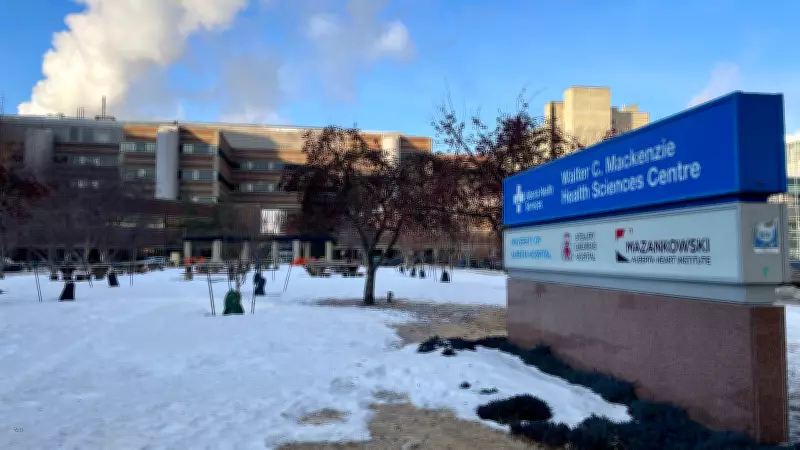
Edmonton Health Agency Issues Measles Exposure Alert at South Edmonton Hospitals
Alberta Health Services has issued a public health warning regarding potential measles exposure at two major medical facilities in south Edmonton. The alert specifically concerns the University of Alberta Hospital and the adjacent Stollery Children's Hospital, both located in the city's south side medical district.
Timeline and Locations of Potential Exposure
The health agency has identified specific dates and locations where individuals may have been exposed to the highly contagious viral illness. According to the official notification, potential exposure occurred in the emergency department waiting areas and select patient care units at both hospitals during recent operational hours. The precise timeframe spans multiple days in late February and early March 2026, though health officials have not released exact dates to protect patient confidentiality while ensuring public awareness.
Measles Symptoms and Transmission Risks
Measles represents one of the most contagious diseases known to medical science, with the virus capable of surviving in airspace for up to two hours after an infected person has left the area. Initial symptoms typically appear seven to fourteen days after exposure and commonly include high fever, cough, runny nose, and red, watery eyes. The characteristic red rash usually develops three to five days after the initial symptoms begin, starting on the face and spreading downward across the body.

"The measles virus spreads through the air when an infected person coughs or sneezes," explained Dr. Laura Chen, Medical Officer of Health for the Edmonton Zone. "It can remain infectious in the air and on surfaces for several hours, making healthcare settings particularly vulnerable to transmission if proper precautions aren't maintained."
Public Health Recommendations and Vaccination Status
Alberta Health Services is urging anyone who visited the identified areas during the specified timeframe to monitor themselves for symptoms for a full twenty-one days following their potential exposure. The agency has provided detailed guidance for different population groups:
- Fully vaccinated individuals who received two doses of measles-containing vaccine are considered well-protected but should still monitor for symptoms
- Partially vaccinated individuals with only one dose should contact Health Link at 811 for assessment and potential post-exposure prophylaxis
- Unvaccinated individuals, including infants under twelve months who are too young for routine immunization, should immediately contact public health officials
- Immunocompromised persons and pregnant individuals should seek medical advice regardless of vaccination status
Broader Context and Prevention Measures
This alert comes amid increasing global concern about measles resurgence in regions where vaccination rates have declined. The highly effective measles, mumps, and rubella (MMR) vaccine provides approximately 97% protection against infection with two doses. Alberta's childhood immunization program routinely administers the first dose at twelve months and the second dose between four and six years of age.
"This situation underscores the critical importance of maintaining high vaccination coverage in our communities," stated Dr. Chen. "When vaccination rates drop below the 95% threshold needed for herd immunity, we create opportunities for vaccine-preventable diseases like measles to reestablish transmission chains."
Healthcare facilities throughout the Edmonton zone have implemented enhanced infection prevention protocols in response to the alert. These measures include increased environmental cleaning, stricter visitor screening procedures, and reinforced staff education about early symptom recognition and isolation protocols.
Alberta Health Services continues to investigate the source case and identify any additional exposure locations. The agency has established dedicated phone lines and online resources for concerned citizens seeking additional information about their potential exposure risk and appropriate next steps.