Mental Health Crisis Negotiations Lead to Arrest and BC Ferries Delays
A significant police incident unfolded at the Horseshoe Bay ferry terminal on Sunday, April 19, resulting in a man's arrest under the Mental Health Act after hours of intense crisis negotiations. The prolonged standoff caused substantial delays for BC Ferries sailings, disrupting travel plans for numerous passengers during the busy weekend period.
Extended Police Response at Ferry Terminal
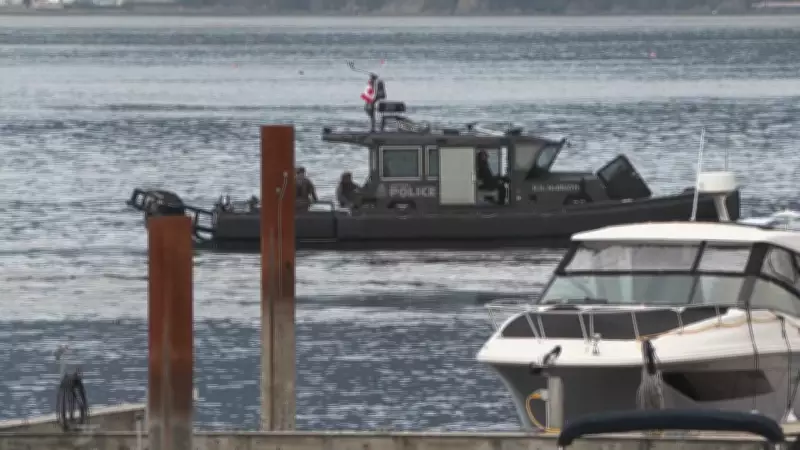
Law enforcement authorities, including specialized crisis negotiation teams, responded to a concerning situation at the Horseshoe Bay terminal. The incident required careful de-escalation techniques and lasted for several hours as officers worked to ensure the safety of all individuals involved. A police boat was deployed to the area as part of the coordinated response effort.
The Mental Health Act arrest represents a legal mechanism designed to protect individuals experiencing mental health crises when they pose a risk to themselves or others. Such interventions prioritize compassionate care while maintaining public safety protocols.

Transportation Disruptions and Passenger Impact
The extended police operation directly impacted BC Ferries operations, with multiple sailings experiencing delays throughout Sunday afternoon and evening. The transportation disruptions affected both vehicle and foot passengers, with some travelers facing wait times extending several hours beyond their scheduled departures.
BC Ferries personnel worked to manage the situation, providing updates to passengers and adjusting schedules where possible. The incident highlights the complex intersection between public safety responses and critical transportation infrastructure in coastal communities.
Broader Context of Mental Health Responses
This incident occurs within a broader national conversation about mental health crisis intervention and police response protocols. Across Canada, communities are examining how to best support individuals experiencing mental health emergencies while minimizing disruptions to public services.
The successful resolution without reported injuries demonstrates the effectiveness of specialized crisis negotiation training, though the transportation impacts underscore the challenges of managing such situations in high-traffic public spaces.
As investigations continue into the specific circumstances that led to Sunday's incident, mental health advocates emphasize the importance of accessible crisis support services and comprehensive care systems that can prevent such escalations before they reach critical stages.