Advocates for Montreal's homeless population report that the addition of hundreds of new shelter and warming-station spaces this winter has provided crucial relief, yet they caution that escalating demand and restrictions on daytime access continue to present formidable obstacles.
New Spaces Offer Critical Respite Amid Deep Freeze
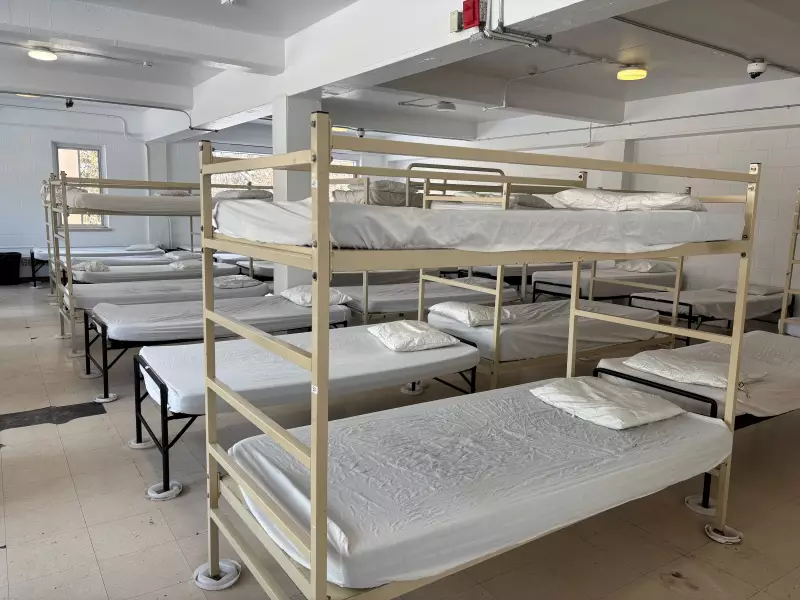
The expansion of available beds and warming centres across the city has been a vital intervention during periods of extreme cold. These added resources, activated for the winter season, have undoubtedly prevented exposure-related injuries and deaths, offering a safe haven for vulnerable individuals when temperatures plummet.
Community workers and outreach teams confirm the spaces are consistently at or near capacity, indicating both their necessity and the severe scale of need. The initiative represents a direct response to calls from front-line organizations who have long warned of insufficient emergency accommodations during Canada's harsh winters.

Persistent Challenges: Soaring Demand and Daytime Gaps
Despite the positive step, advocates emphasize that the underlying crisis is far from resolved. The primary issue remains a demand that continues to outpace the supply of safe, dignified spaces. As economic pressures, including housing unaffordability and inflation, intensify, more individuals and families are finding themselves at risk of homelessness, pushing the shelter system to its limits.
A particularly pressing concern is the limited daytime access to many of these facilities. Shelters that close their doors during the day leave clients to navigate frigid temperatures, creating a dangerous gap in service. This policy forces people back onto the streets during daylight hours, negating some of the safety gained overnight and exposing them to the elements when other public spaces may be crowded or inaccessible.
A Call for Sustainable, Year-Round Solutions
The current situation underscores a recurring seasonal pattern: a scramble to address immediate winter needs without commensurate investment in long-term, permanent solutions. Advocates argue that while emergency spaces are lifesaving, they are a reactive measure. The conversation is increasingly shifting toward the need for:
- Permanent, affordable housing as the ultimate solution to homelessness.
- 24/7 low-barrier shelters that offer continuous refuge and support services.
- Increased funding for prevention programs to stop people from entering the shelter system in the first place.
The experience of this winter in Montreal highlights a critical juncture. The added spaces demonstrate what is possible with focused effort and resources, yet they also reveal the systemic and growing nature of the problem. As one advocate summarized, the new beds have "eased the pressure, but haven't stopped the leak." The demand for comprehensive, compassionate, and sustained action remains higher than ever.