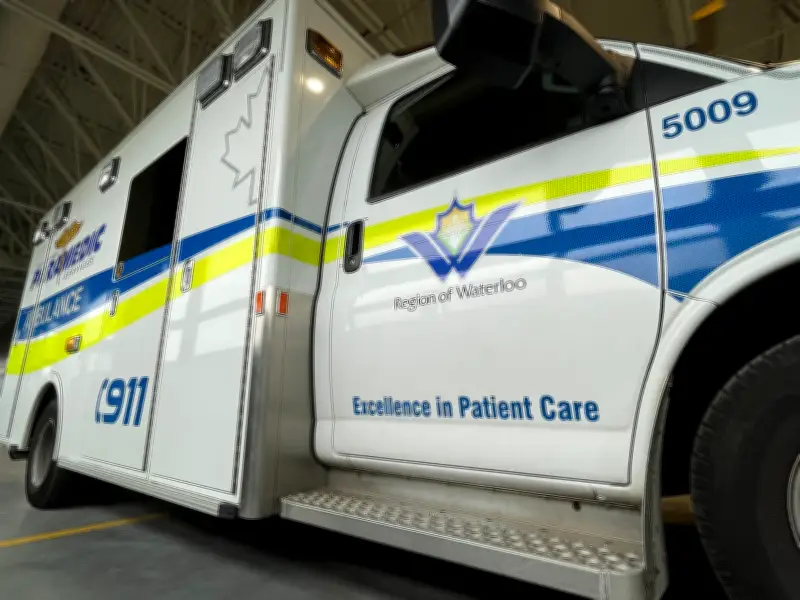
Opioid-Related Paramedic Calls Surge in Waterloo Region
Opioid-related paramedic calls in Waterloo Region nearly doubled during the first half of 2026, according to data released by the region. From January to June, paramedics responded to 1,247 opioid-related incidents, compared to 641 during the same period in 2025—a 94% increase.
Data Highlights Escalating Crisis
The region's paramedic services reported that the surge reflects a worsening opioid crisis, with calls becoming more frequent and severe. In June alone, there were 212 opioid-related calls, up from 118 in June 2025. The data includes all incidents where opioids were suspected or confirmed, ranging from overdoses to complications.
“This is a troubling trend that requires immediate attention,” said a spokesperson for Region of Waterloo Paramedic Services. “Our crews are seeing more patients with severe respiratory depression and other life-threatening symptoms.”

Impact on Emergency Services
The increase has strained paramedic resources, with response times for non-critical calls occasionally delayed. The region has deployed additional rapid response units to handle the surge, but officials warn that sustained funding is needed. “We are managing, but every overdose call ties up resources that could be used for other emergencies,” the spokesperson added.
Waterloo Region has seen a steady rise in opioid-related deaths, with 78 confirmed deaths in 2025, up from 62 in 2024. Local health officials attribute the trend to the prevalence of fentanyl and other synthetic opioids in the drug supply.
Community and Policy Responses
In response, the region has expanded naloxone distribution and launched a public awareness campaign. The Waterloo Region Integrated Drugs Strategy is also working with partners to increase access to addiction treatment and harm reduction services. “We need a comprehensive approach that includes prevention, treatment, and enforcement,” said a regional councillor.
Despite these efforts, advocates say more is needed. “The numbers speak for themselves—we are in a crisis,” said a local harm reduction worker. “We need safe supply and more detox beds to save lives.”